
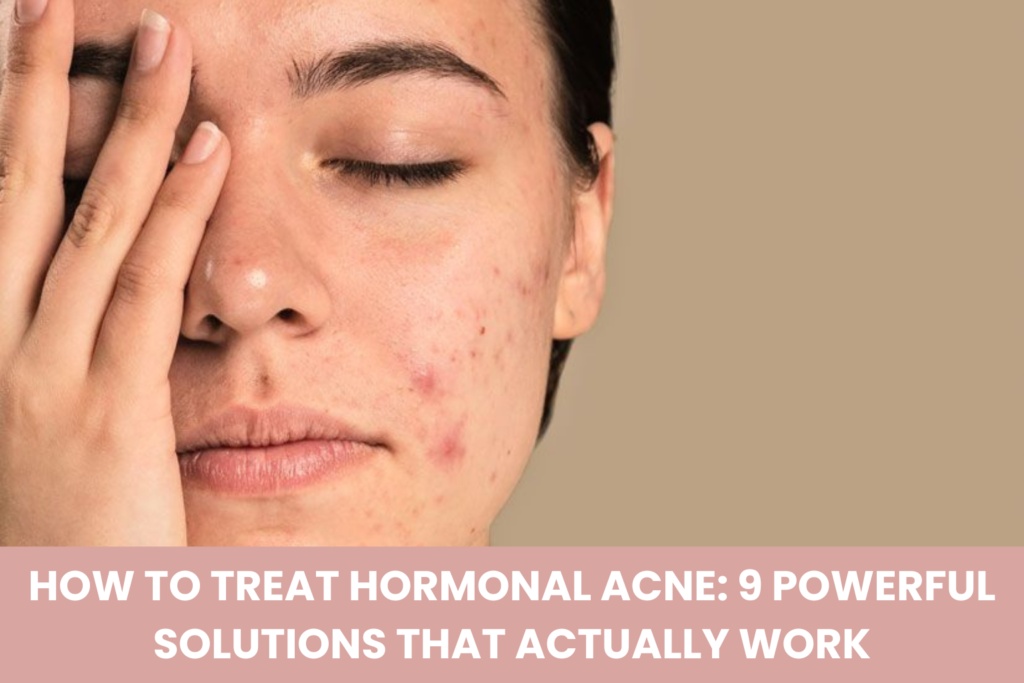
How to Treat Hormonal Acne: 9 Powerful Solutions That Actually Work
If you’ve ever dealt with painful pimples that seem to appear at the same time every month, especially around your chin, jawline, or lower cheeks, there’s a good chance you’re dealing with hormonal acne.
Unlike occasional breakouts caused by clogged pores or poor skincare habits, hormonal acne is often driven by fluctuations in hormones that increase oil production and inflammation. It can affect teenagers, adults, and even people who never struggled with acne during adolescence.
The good news is that hormonal acne can be managed. While there’s no overnight cure, a combination of the right skincare products, proven ingredients, and healthy habits can make a dramatic difference.
In this guide, you’ll learn how to treat hormonal acne effectively and build a routine that helps reduce breakouts and prevent future flare-ups.
What Is Hormonal Acne?
Before learning how to treat hormonal acne, it’s important to understand what causes it.
Hormonal acne occurs when changes in hormone levels stimulate the sebaceous glands to produce excess oil. This oil combines with dead skin cells and bacteria, leading to inflammation and breakouts.
Hormonal acne commonly appears:
- Along the jawline
- On the chin
- Around the mouth
- On the cheeks
- Sometimes on the neck
These breakouts are often deep, painful, and slow to heal.
Signs That Your Acne Is Hormonal
You may be dealing with hormonal acne if:
- Breakouts occur before your period.
- Pimples are painful and cystic.
- Acne appears mostly around the chin and jawline.
- Your skin suddenly becomes oilier.
- Breakouts continue into adulthood.
- Stress seems to trigger flare-ups.
Recognizing these signs can help you understand how to treat hormonal acne more effectively.
Use a Gentle Cleanser
Many people with hormonal acne make the mistake of using harsh cleansers.
Overwashing and stripping the skin can worsen inflammation and increase oil production.
Recommended Product
CeraVe Foaming Facial Cleanser
✔ Gentle formula
✔ Fragrance-free
✔ Suitable for oily and acne-prone skin
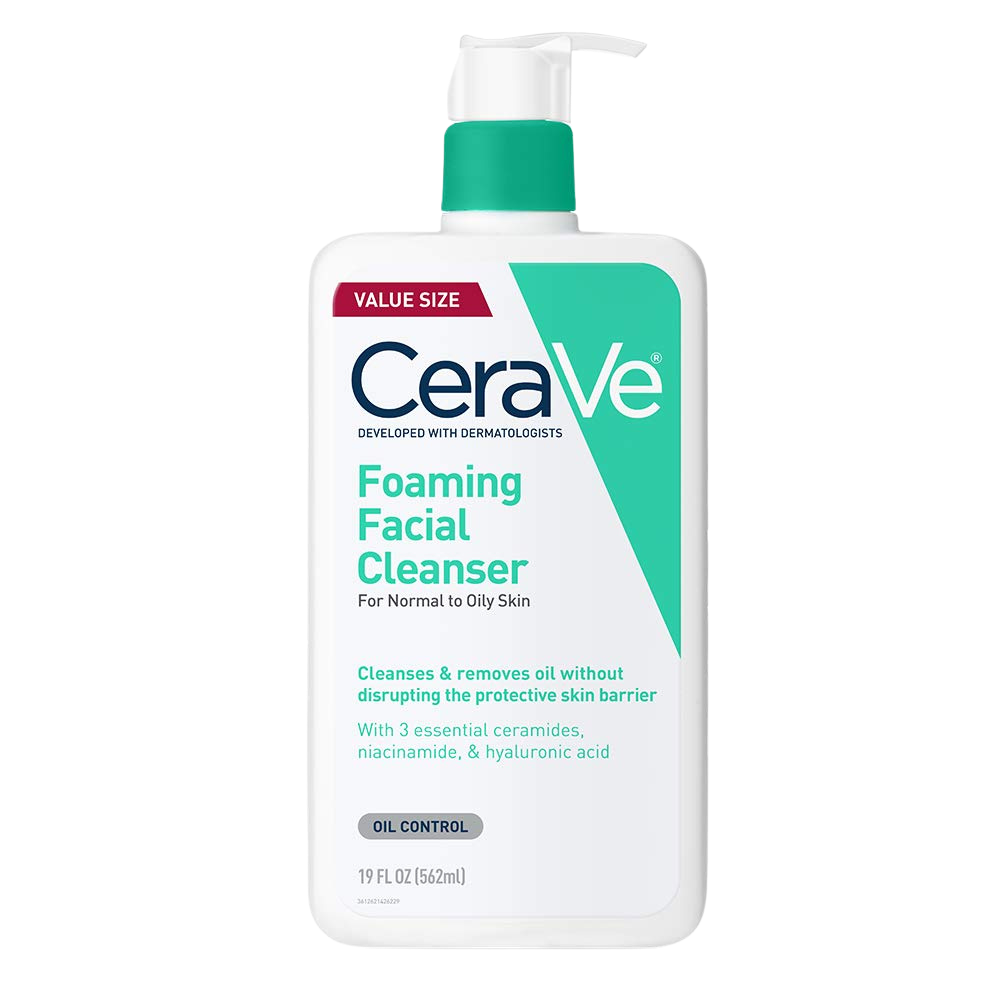
A gentle cleanser creates the foundation for any routine focused on how to treat hormonal acne.
Salicylic Acid Helps Keep Pores Clear
Salicylic acid is one of the most effective ingredients for acne-prone skin.
Because it penetrates inside the pores, it helps dissolve oil and remove dead skin cells before they become inflamed.
Recommended Product
Paula’s Choice Skin Perfecting 2% BHA Liquid Exfoliant
✔ Helps reduce clogged pores
✔ Improves skin texture
✔ Suitable for oily skin
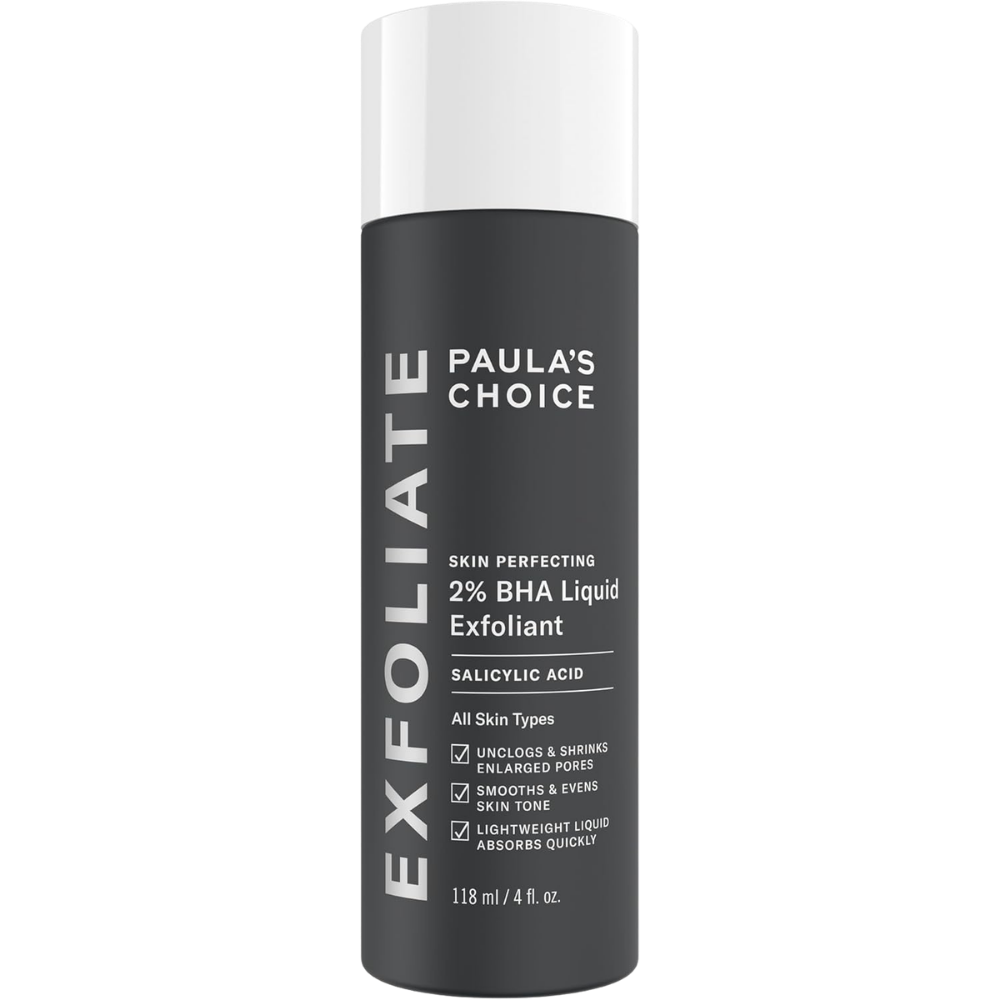
Adding salicylic acid to your routine is one of the simplest ways to support your efforts to learn how to treat hormonal acne.
Retinoids Can Prevent Future Breakouts
Dermatologists frequently recommend retinoids because they help normalize skin cell turnover.
Retinoids don’t just treat existing acne—they help prevent future pimples from forming.
Recommended Product
Differin Gel Adapalene 0.1%
✔ FDA-approved
✔ Helps prevent clogged pores
✔ Effective for hormonal acne
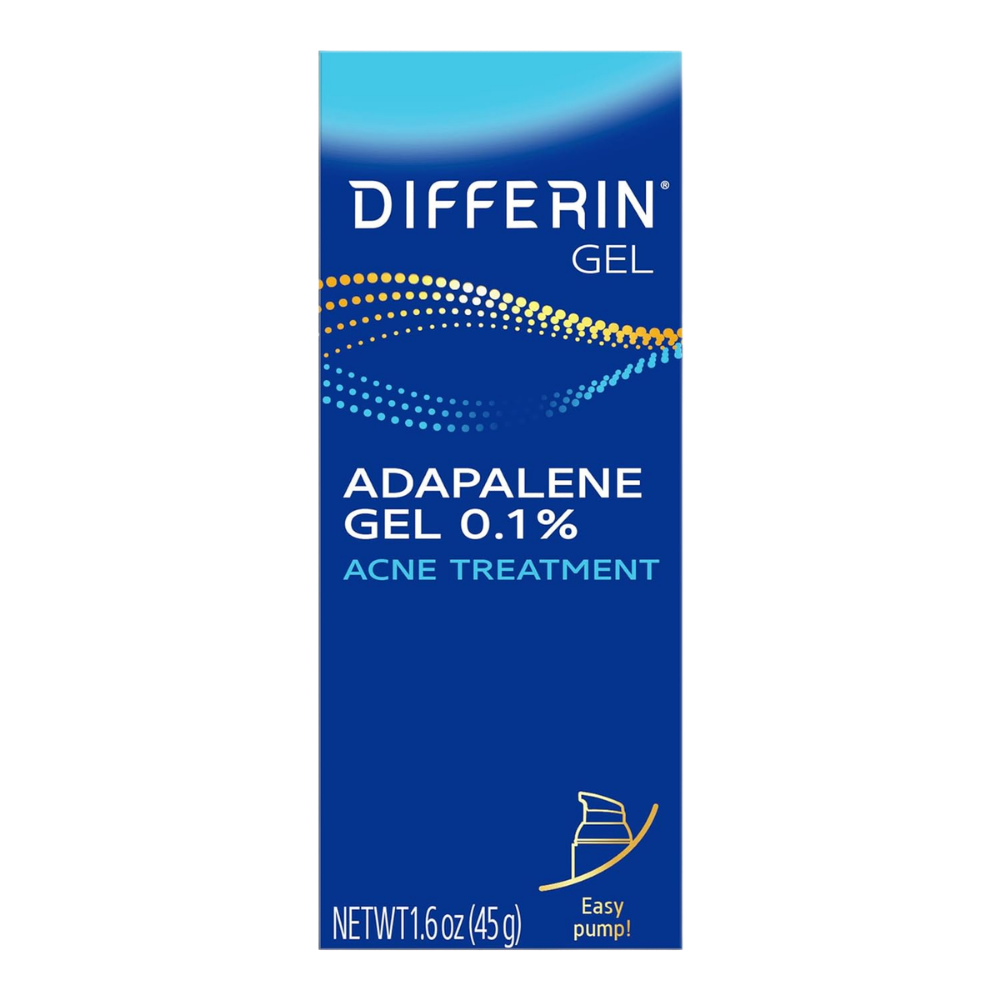
For many people, adapalene becomes the most important part of learning how to treat hormonal acne.
Niacinamide Can Calm Inflammation
Hormonal acne often leaves behind redness and dark marks.
Niacinamide is an excellent ingredient for reducing inflammation while strengthening the skin barrier.
Recommended Product
Anua Niacinamide 10% + TXA Serum
✔ Brightens post-acne marks
✔ Supports the skin barrier
✔ Lightweight formula
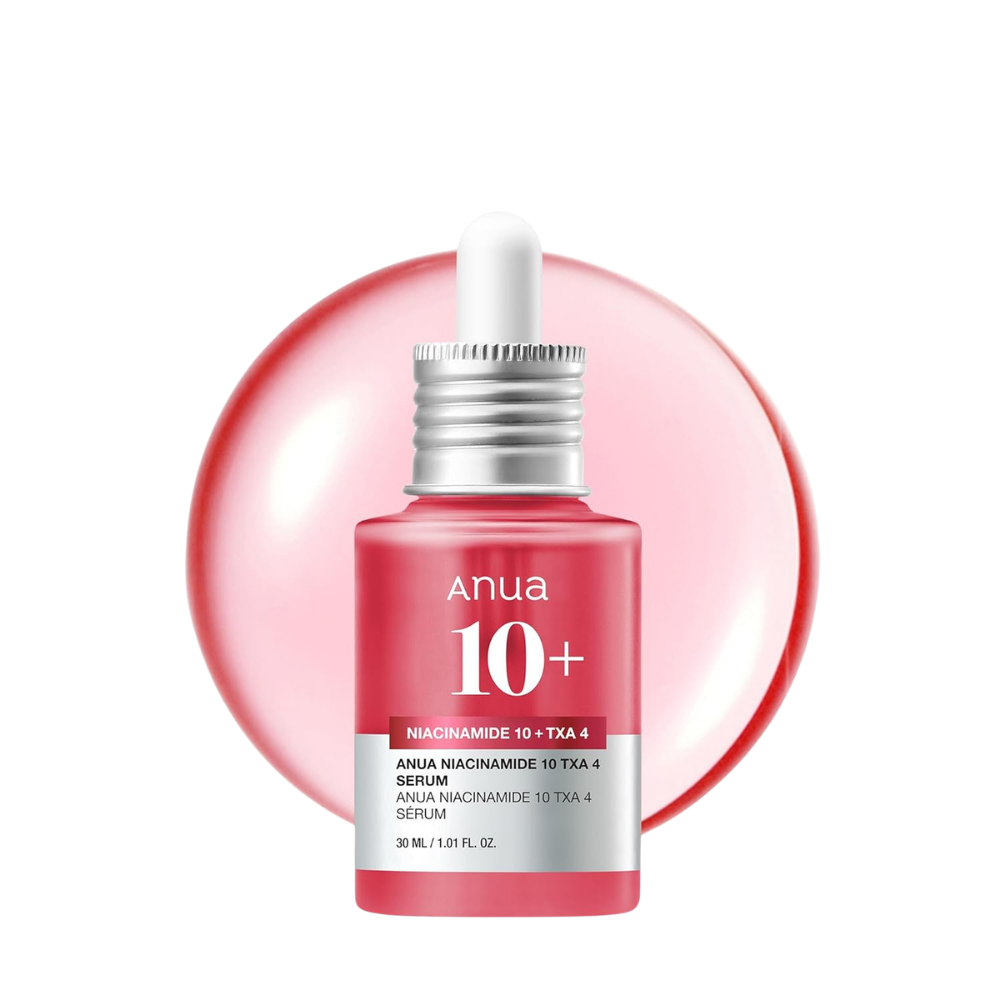
This serum pairs well with other treatments aimed at how to treat hormonal acne.
Don’t Skip Moisturizer
One of the biggest skincare myths is that oily skin doesn’t need hydration.
In reality, dehydrated skin may produce even more oil.
Recommended Product
Purito Oat-In Calming Gel Cream
✔ Lightweight texture
✔ Non-comedogenic
✔ Ideal for acne-prone skin
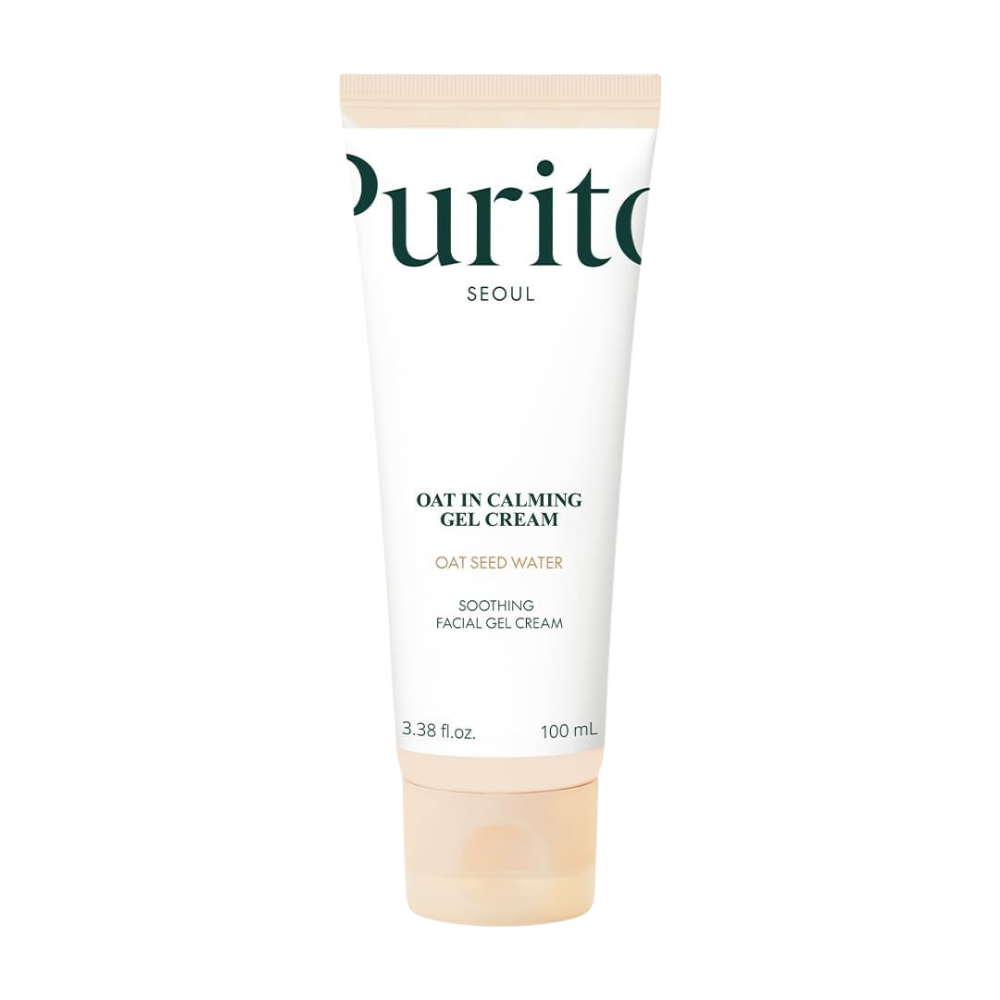
Healthy skin barriers recover faster and tolerate active ingredients better.
Wear Sunscreen Every Day
Sun exposure can worsen inflammation and post-acne marks.
If you’re serious about learning how to treat hormonal acne, daily sunscreen is essential.
Recommended Product
Beauty of Joseon Relief Sun SPF50+
✔ Lightweight
✔ No white cast
✔ Great for sensitive skin
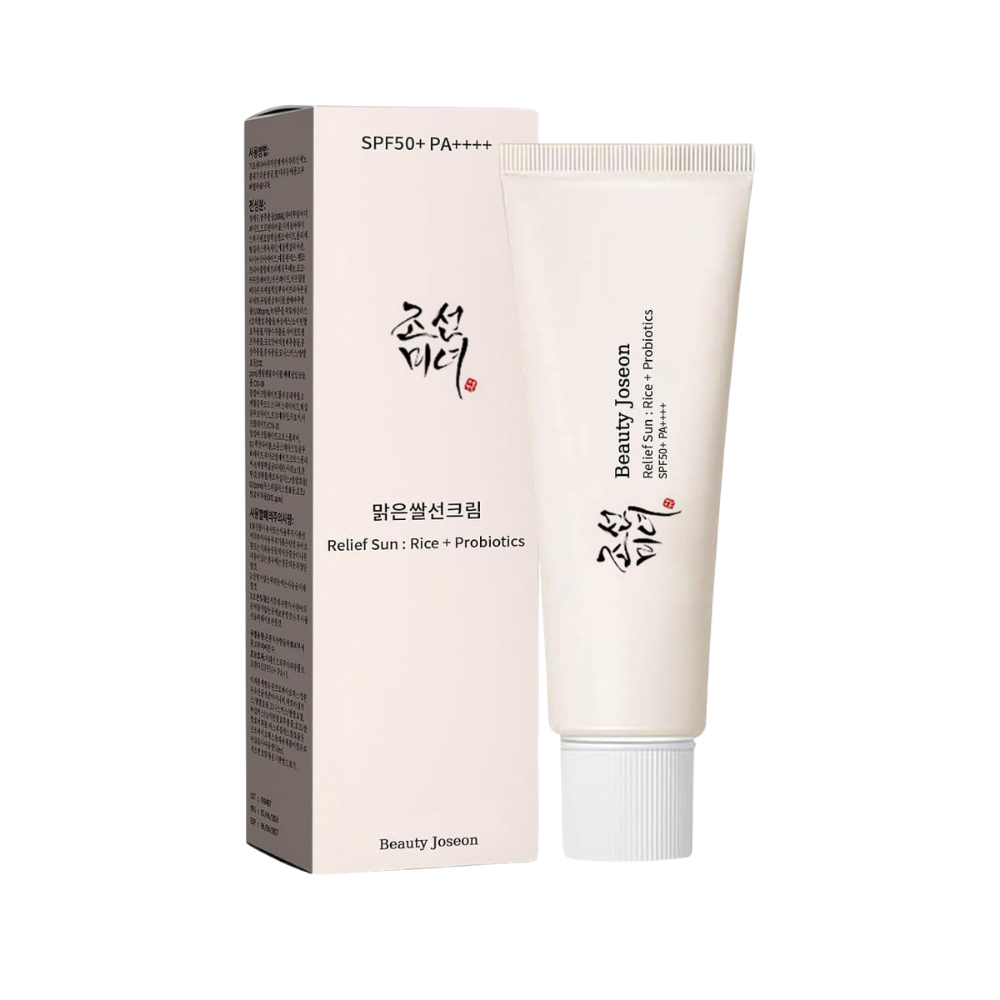
Consistent SPF use helps protect healing skin.
Stress Can Trigger Hormonal Acne
Stress increases cortisol levels, which may contribute to increased oil production.
Although stress alone doesn’t cause acne, it can make existing breakouts worse.
Simple stress-management habits include:
- Getting enough sleep
- Walking daily
- Meditation
- Exercise
- Taking breaks from social media
Managing stress supports your overall strategy for how to treat hormonal acne.
Diet and Hormonal Acne
Research suggests certain foods may affect acne in some individuals.
Potential triggers include:
- High-glycemic foods
- Sugary drinks
- Excess dairy consumption
Not everyone reacts to these foods, but keeping a food journal can help identify patterns.
Rather than following restrictive diets, focus on:
- Lean protein
- Vegetables
- Whole grains
- Healthy fats
- Drinking enough water
Diet alone won’t cure acne, but it may contribute to healthier skin.
Avoid Picking Pimples
Popping cystic acne can increase inflammation and raise the risk of scarring.
Instead, use hydrocolloid patches to protect blemishes.
Recommended Product
Hero Cosmetics Mighty Patch Original
✔ Protects pimples
✔ Helps absorb impurities
✔ Reduces picking
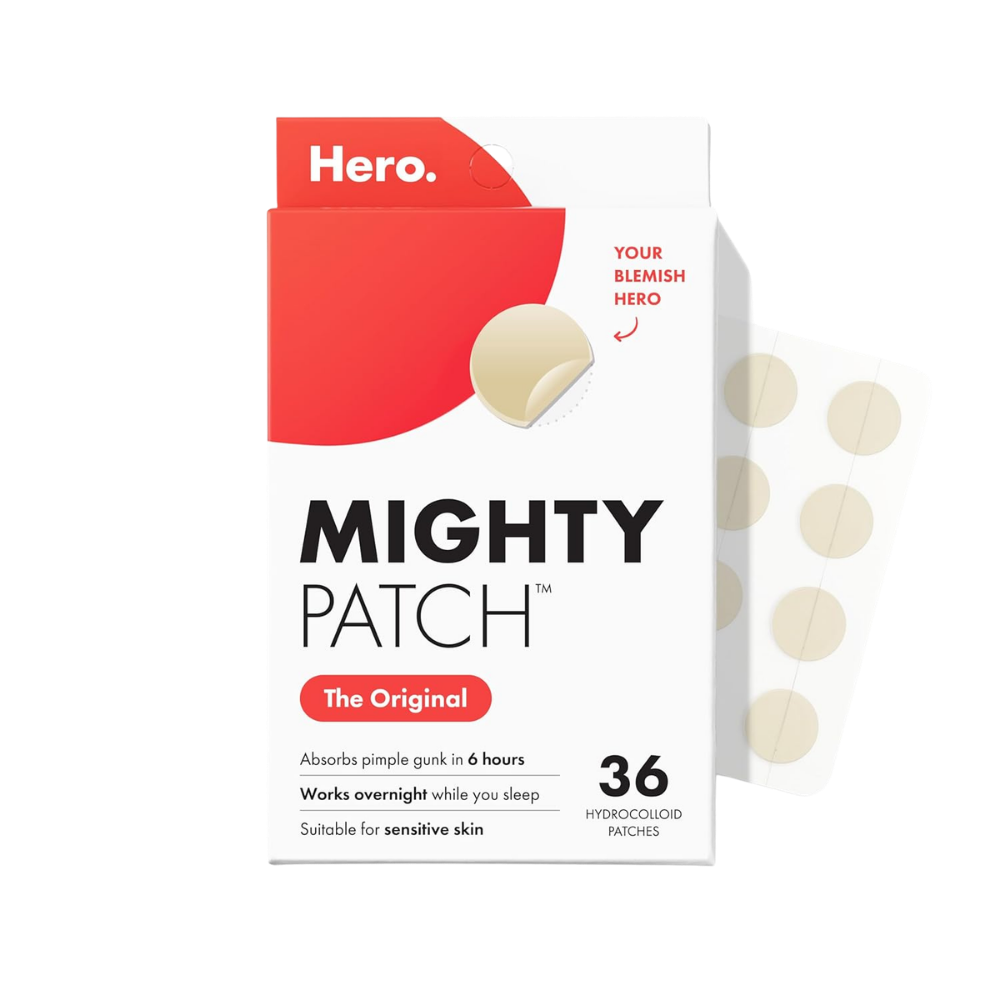
Preventing scars is just as important as treating acne itself.
Build a Simple Hormonal Acne Routine
Many people overwhelm their skin with too many products.
Consistency beats complexity.
Morning Routine
- Gentle cleanser
- Niacinamide serum
- Moisturizer
- Sunscreen
Evening Routine
- Gentle cleanser
- Salicylic acid (alternate nights)
- Differin Gel
- Moisturizer
This simple routine supports long-term improvement and helps answer the question of how to treat hormonal acne without overcomplicating things.
How Long Does Hormonal Acne Take to Improve?
Patience is crucial.
Many people expect immediate results and become discouraged too quickly.
Typical timelines include:
- 4–6 weeks: Reduced oiliness
- 8–12 weeks: Fewer breakouts
- 3–6 months: Noticeable improvement
- Longer for severe cystic acne
Consistency matters more than perfection.
When to See a Dermatologist
Sometimes over-the-counter products aren’t enough.
You should consider professional treatment if:
- Acne is painful and cystic.
- Breakouts leave scars.
- Nothing improves after several months.
- Acne affects your confidence and quality of life.
Dermatologists may recommend:
- Prescription retinoids
- Spironolactone
- Birth control pills
- Antibiotics
- Isotretinoin
Professional treatment can dramatically improve stubborn hormonal acne.
Common Mistakes That Make Hormonal Acne Worse
Many people accidentally sabotage their progress.
Common mistakes include:
- Using harsh scrubs
- Skipping moisturizer
- Over-exfoliating
- Picking pimples
- Constantly changing products
- Ignoring sunscreen
Simple, consistent routines usually deliver the best results.
Can Hormonal Acne Go Away Permanently?
Hormonal acne tends to fluctuate with hormone levels, stress, and genetics.
While some people eventually outgrow it, others experience breakouts throughout adulthood.
The goal isn’t perfection—it’s learning how to manage your skin and reduce the frequency and severity of flare-ups.
With the right products and habits, clearer skin is absolutely possible.
Final Thoughts
Learning how to treat hormonal acne takes patience, consistency, and realistic expectations.
A gentle cleanser, salicylic acid, retinoids, niacinamide, moisturizer, and daily sunscreen provide a strong foundation for healthier skin. Pairing these products with stress management and healthy lifestyle habits can make an even bigger difference.
Remember, hormonal acne is incredibly common, and progress takes time. Stay consistent, avoid harsh treatments, and focus on long-term skin health rather than quick fixes.