
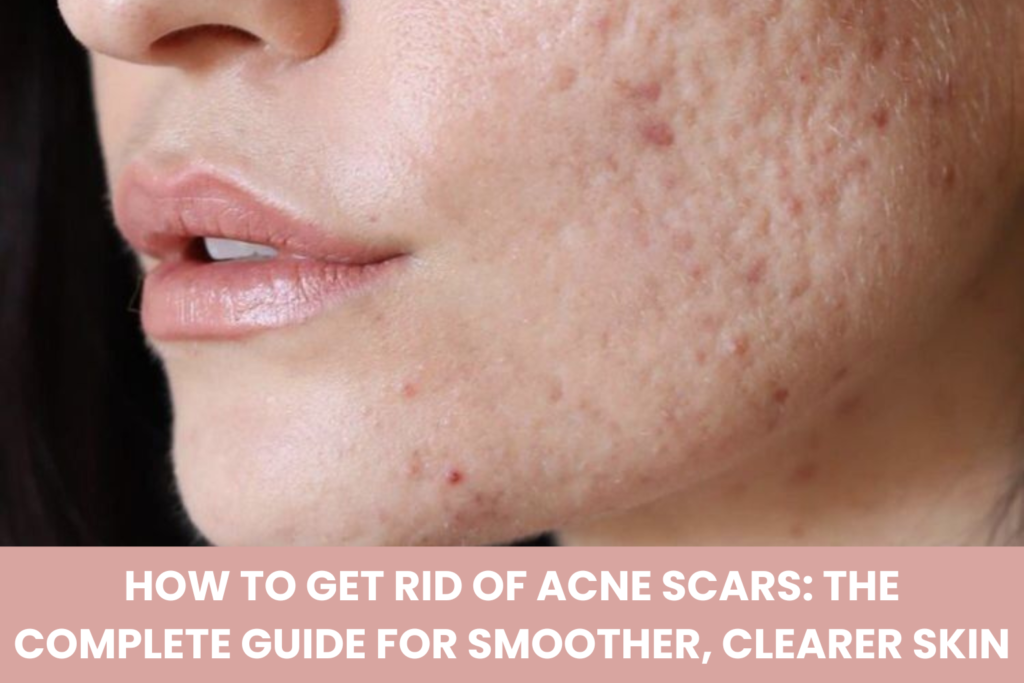
How to Get Rid of Acne Scars: The Complete Guide for Smoother, Clearer Skin
Acne may eventually disappear, but the marks and scars it leaves behind can stick around for months—or even years.
If you’re wondering how to get rid of acne scars, you’re not alone. Acne scars are one of the most common skin concerns, affecting millions of people worldwide. The good news is that many scars and dark spots can improve significantly with the right approach.
Whether you’re dealing with post-inflammatory hyperpigmentation, red marks, or textured scars, understanding the type of scar you have is the first step toward smoother, healthier-looking skin.
In this complete guide, you’ll learn how to get rid of acne scars using dermatologist-approved ingredients, skincare products, and professional treatments.
Why Acne Scars Form
Before learning how to get rid of acne scars, it’s important to understand why they develop.
Acne scars usually occur when inflammation damages the deeper layers of the skin. Severe breakouts, picking pimples, and delayed treatment can increase the likelihood of permanent marks.
Common causes include:
- Inflammatory acne
- Picking or popping pimples
- Delayed acne treatment
- Genetics
- Excessive inflammation
The earlier acne is controlled, the lower the risk of developing scars.
Types of Acne Scars
Not all scars are the same.
Understanding which type you have will help determine how to get rid of acne scars effectively.
Post-Inflammatory Hyperpigmentation (Dark Spots)
These are flat brown or dark marks left behind after pimples heal.
Unlike deep scars, they usually fade over time and respond well to skincare.
Red Marks (PIE)
Post-inflammatory erythema appears as pink or red discoloration and is common in lighter skin tones.
Atrophic Scars
These include:
- Ice pick scars
- Boxcar scars
- Rolling scars
These textured scars often require professional treatments for significant improvement.
Use Sunscreen Every Day
One of the most overlooked steps in learning how to get rid of acne scars is sunscreen.
UV exposure can darken post-acne marks and slow the healing process.
Recommended Product
Beauty of Joseon Relief Sun SPF50+
Lightweight, non-greasy, and ideal for acne-prone skin.
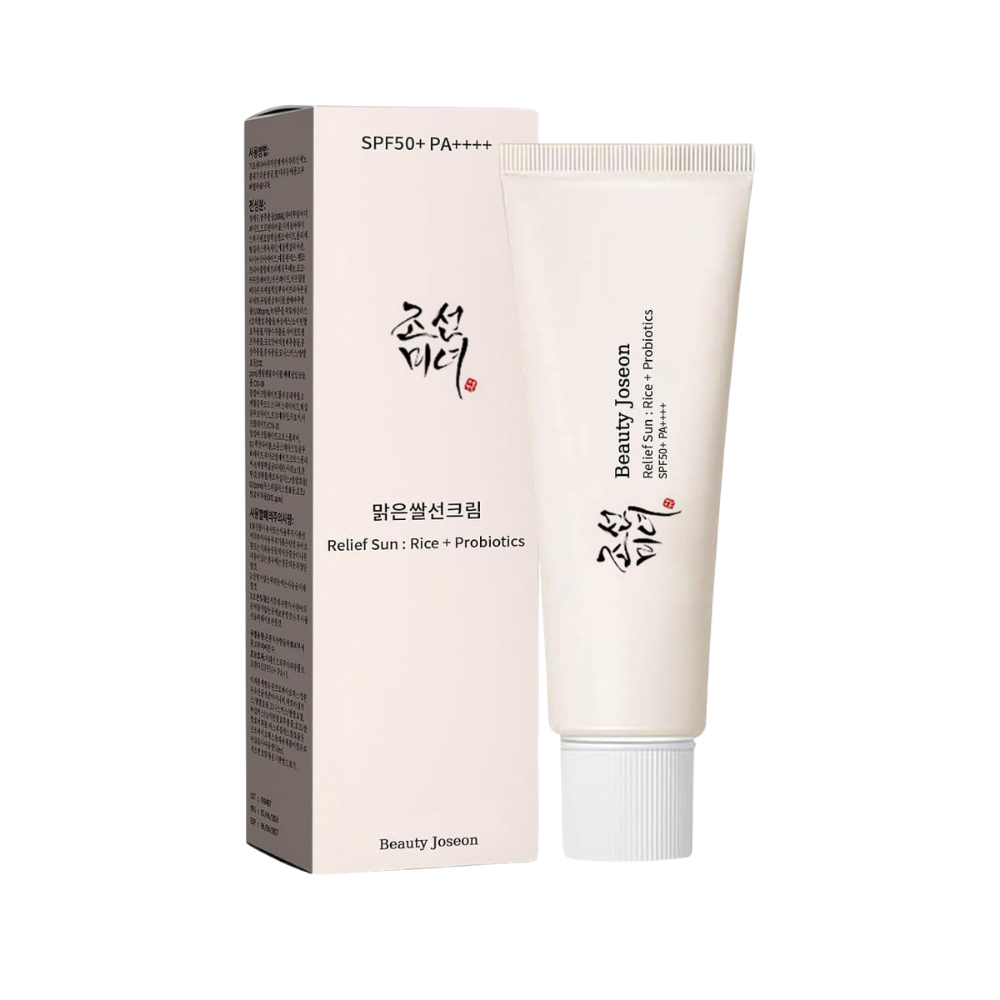
Daily SPF protection can make a dramatic difference over time.
Retinoids Can Help Fade Acne Scars
Retinoids increase cell turnover and stimulate collagen production, making them one of the most effective ingredients for improving post-acne marks.
Recommended Product
A dermatologist-recommended retinoid that helps improve texture and prevent future breakouts.
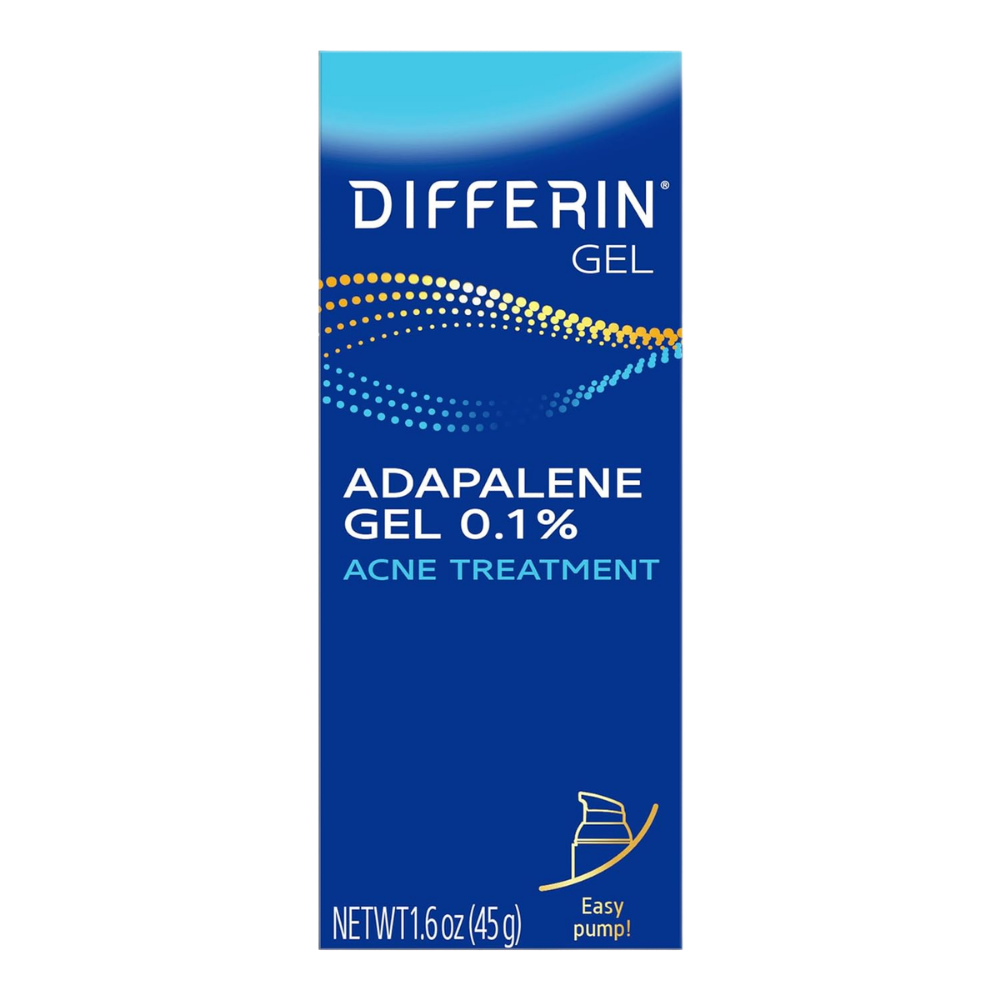
For many people researching how to get rid of acne scars, adapalene becomes a key part of their skincare routine.
Niacinamide Helps Brighten Dark Spots
Niacinamide is a gentle ingredient known for improving uneven skin tone and reducing inflammation.
Recommended Product
Anua Niacinamide 10% + TXA Serum
A popular serum that targets dark spots and post-acne marks.
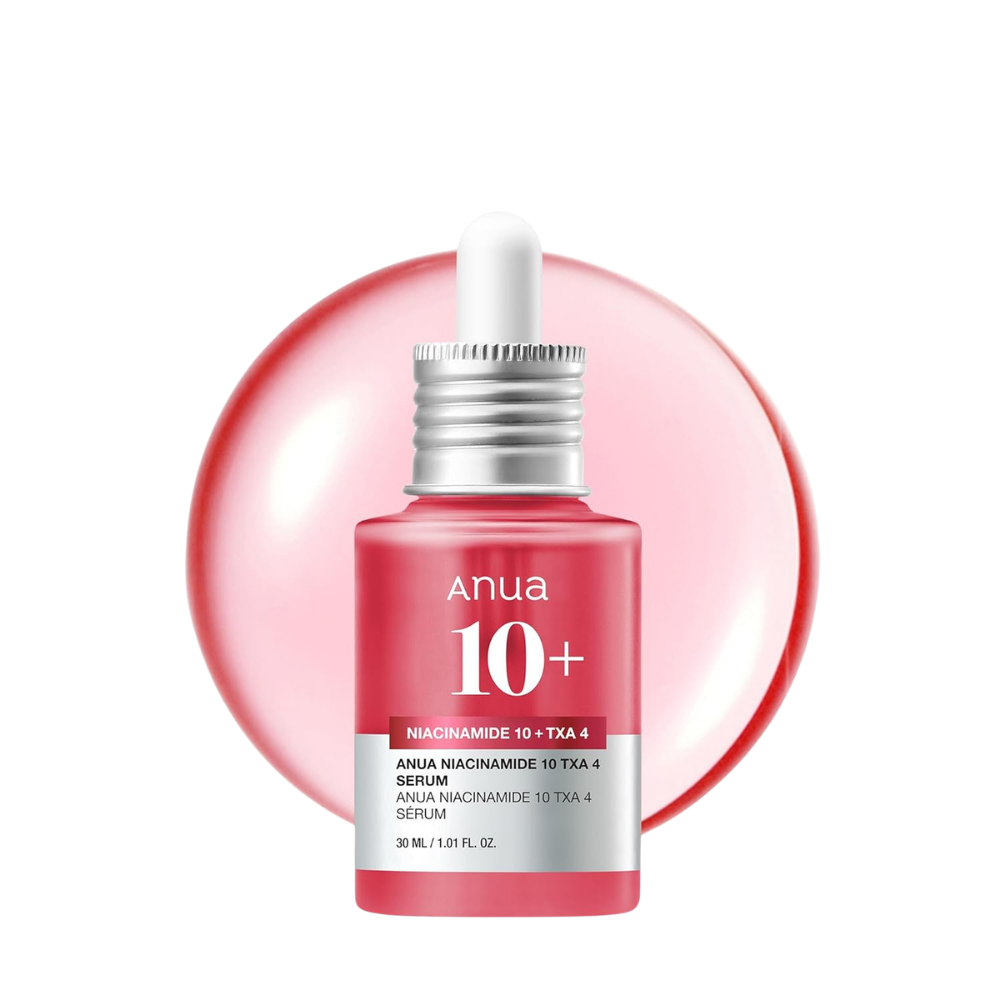
Consistent use may help brighten discoloration over time.
Exfoliate With Salicylic Acid
Salicylic acid removes dead skin cells and keeps pores clear, which can improve overall texture.
Recommended Product
Paula’s Choice Skin Perfecting 2% BHA Liquid Exfoliant
One of the most popular exfoliants for acne-prone skin.
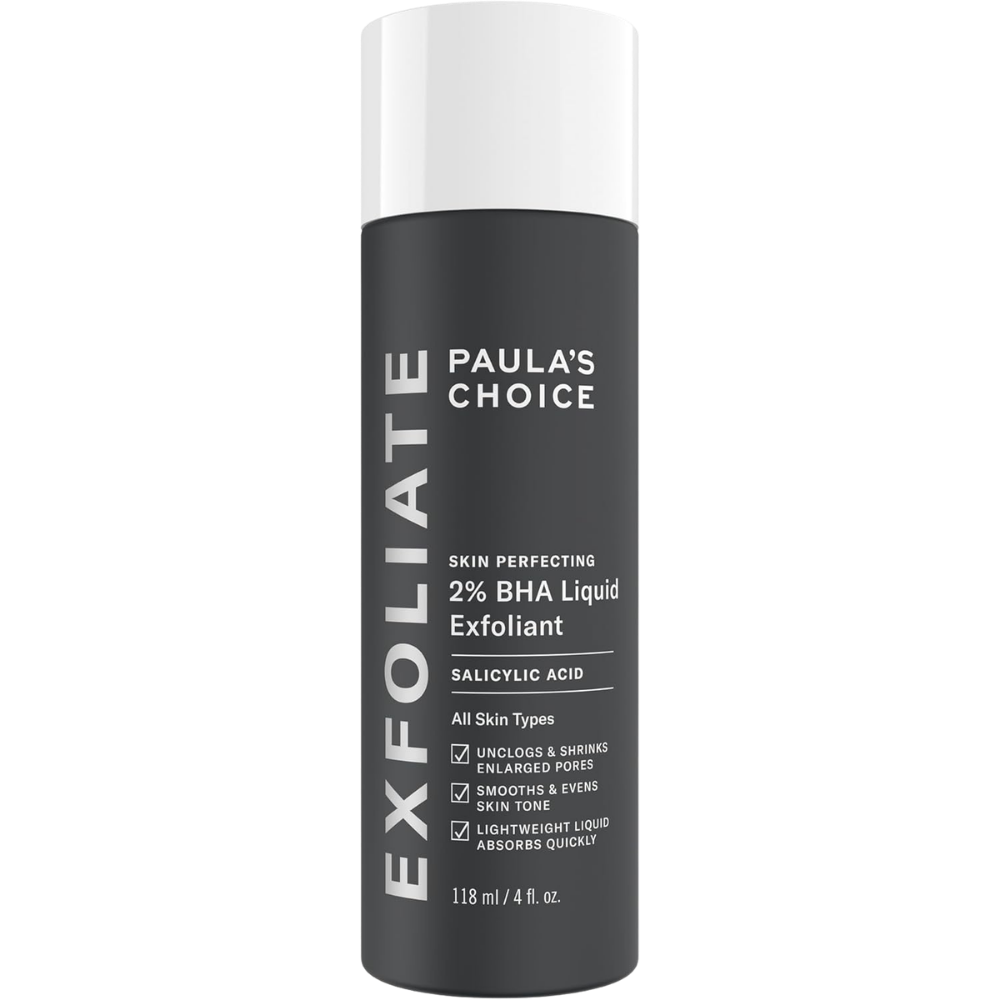
When used properly, salicylic acid supports smoother skin and complements your efforts to learn how to get rid of acne scars.
Vitamin C Can Improve Skin Tone
Vitamin C is an antioxidant that helps brighten skin and reduce the appearance of dark spots.
Recommended Product
A cult-favorite Japanese serum known for targeting hyperpigmentation.
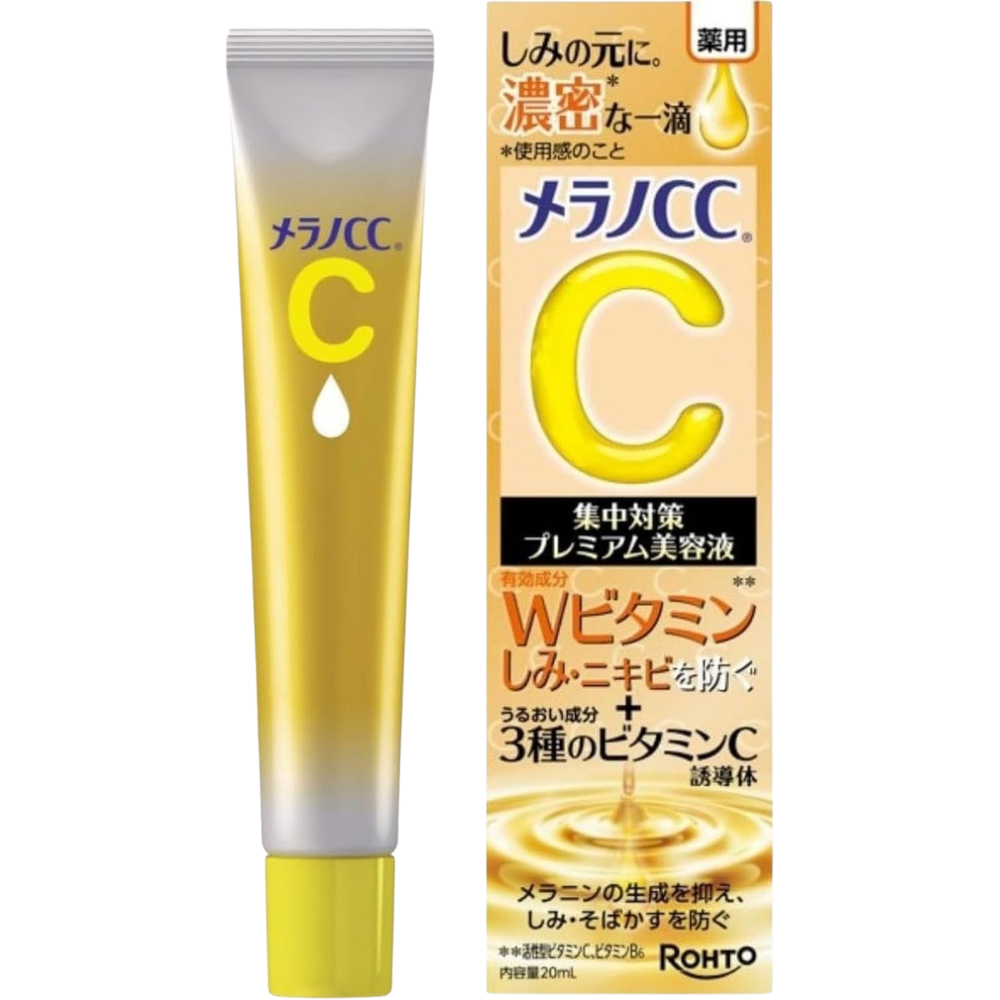
Vitamin C works best when paired with daily sunscreen.
Don’t Pick Your Skin
Picking pimples increases inflammation and greatly increases the risk of scarring.
One of the easiest ways to prevent future scars is simply leaving blemishes alone.
Recommended Product
Hero Cosmetics Mighty Patch Original
Hydrocolloid patches help protect pimples and reduce the urge to pick.
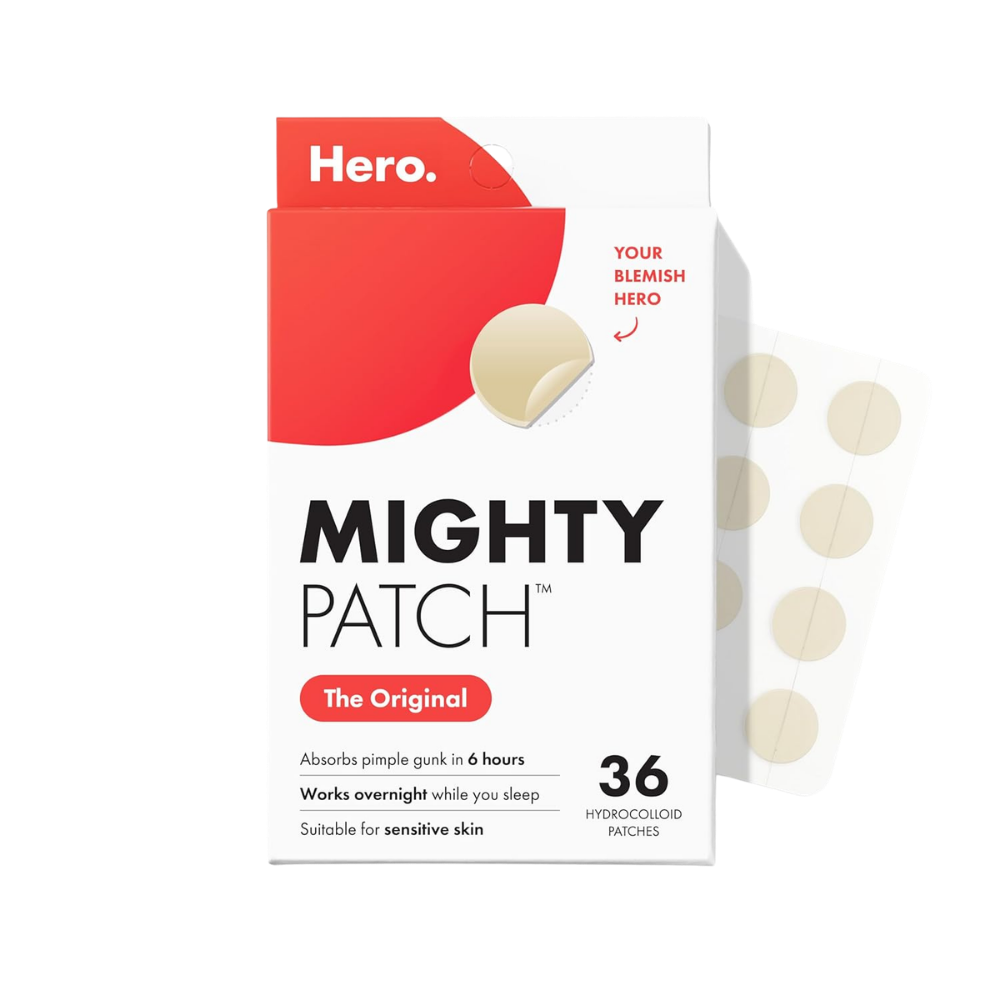
Preventing new scars is just as important as treating existing ones.
Professional Treatments for Acne Scars
For deeper scars, skincare alone may not be enough.
Dermatologists often recommend:
Microneedling
Stimulates collagen production and improves skin texture.
Chemical Peels
Help remove damaged skin cells and improve discoloration.
Laser Treatments
Useful for stubborn scars and pigmentation issues.
Subcision
Often used for rolling acne scars.
If you’re serious about how to get rid of acne scars, consulting a dermatologist may provide additional options.
How Long Does It Take to Fade Acne Scars?
Patience is essential.
Typical timelines include:
- 4–8 weeks: Improvement in skin brightness
- 3–6 months: Dark spots become lighter
- 6–12 months: Significant changes in overall appearance
- Longer for deep textured scars
Consistency is far more important than using dozens of products.
A Simple Routine for Acne Scars
Morning
- Gentle cleanser
- Vitamin C serum
- Moisturizer
- Sunscreen
Evening
- Gentle cleanser
- Retinoid
- Moisturizer
Two or three effective products are often enough.
Common Mistakes That Make Acne Scars Worse
Many people accidentally slow their progress.
Avoid these common mistakes:
- Skipping sunscreen
- Picking pimples
- Over-exfoliating
- Switching products too often
- Expecting overnight results
- Using harsh scrubs
These habits can worsen inflammation and delay healing.
Can Acne Scars Completely Disappear?
This depends on the type of scar.
Dark spots and red marks often fade significantly with skincare and time.
Deep ice pick, rolling, and boxcar scars usually improve rather than disappear completely.
Still, modern skincare and dermatology treatments offer more options than ever before.
Final Thoughts
Learning how to get rid of acne scars requires patience, consistency, and realistic expectations.
Daily sunscreen, retinoids, vitamin C, and gentle exfoliation can dramatically improve post-acne marks over time. For deeper scars, professional treatments such as microneedling and laser therapy may provide additional benefits.
The key is staying consistent and focusing on long-term skin health rather than quick fixes.
With the right approach, smoother, brighter, and healthier-looking skin is absolutely possible.
Related Articles
- Retinol for Beginners: How to Start Without Wrecking Your Skin
- Retinol for Sensitive Acne-Prone Skin: 7 Gentle Options That Won’t Irritate (2026)
- Best Acne Treatment 2026: What Actually Works According to Dermatologists
- Acne Skincare Routine That Actually Works
- Best Salicylic Acid Products for Acne in 2026