
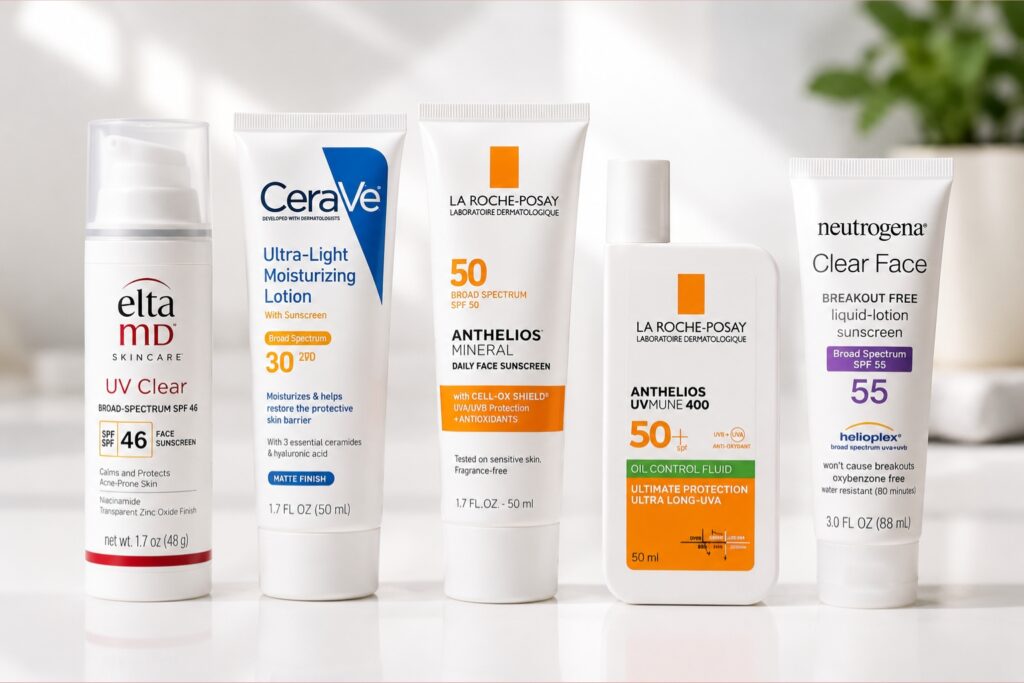
If you have acne-prone skin, sunscreen can feel like a double-edged sword.
You know you need daily sun protection, but many sunscreens leave your skin greasy, clog your pores, and seem to trigger new breakouts.
The good news is that modern sunscreens are far better than the thick, oily formulas of the past. Today’s best sunscreens for acne-prone skin are lightweight, non-comedogenic, and specifically designed to protect your skin without making acne worse.
In this guide, we’ll cover the best sunscreens for acne-prone skin in 2026, what ingredients to look for, and how to choose the right SPF for your skin type.
Why Sunscreen Is Essential for Acne-Prone Skin
Many people with acne skip sunscreen because they’re worried it will cause breakouts.
Unfortunately, avoiding sunscreen can actually make acne-related skin concerns worse.
Daily sunscreen helps:
- Prevent dark acne marks from getting darker
- Reduce inflammation
- Protect healing skin
- Prevent premature aging
- Minimize sun damage
- Support healthy skin recovery
If you’re using retinol, adapalene, benzoyl peroxide, or exfoliating acids, sunscreen becomes even more important because these ingredients increase sun sensitivity.
What to Look for in a Sunscreen for Acne-Prone Skin
Not all sunscreens are created equal.
Look for products labeled:
- Non-comedogenic
- Oil-free
- Lightweight
- Fragrance-free (if sensitive)
- Broad-spectrum SPF 30 or higher
Helpful ingredients include:
- Niacinamide
- Zinc oxide
- Hyaluronic acid
- Green tea extract
Avoid heavy formulas that leave a greasy film on your skin.
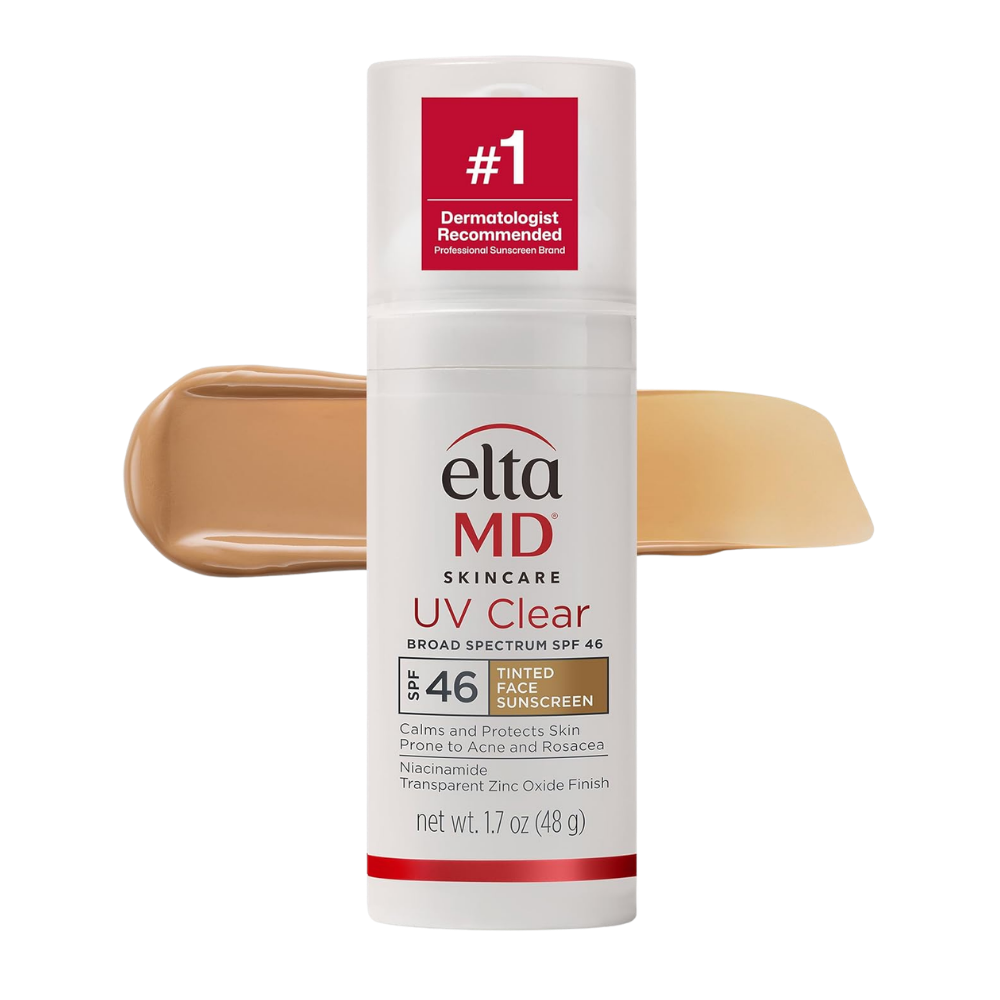
Best Overall: EltaMD UV Clear SPF 46
If dermatologists had to choose one sunscreen for acne-prone skin, EltaMD UV Clear would be near the top of the list.
This lightweight sunscreen contains niacinamide, making it especially helpful for people dealing with acne, redness, and post-inflammatory hyperpigmentation.
Why We Love It
- Lightweight texture
- Non-comedogenic
- Contains niacinamide
- Suitable for sensitive skin
- Doesn’t feel greasy
Recommended Product
EltaMD UV Clear Broad-Spectrum SPF 46
Benefits
- Protects without clogging pores
- Helps calm redness
- Layers well under makeup
- Lightweight daily wear
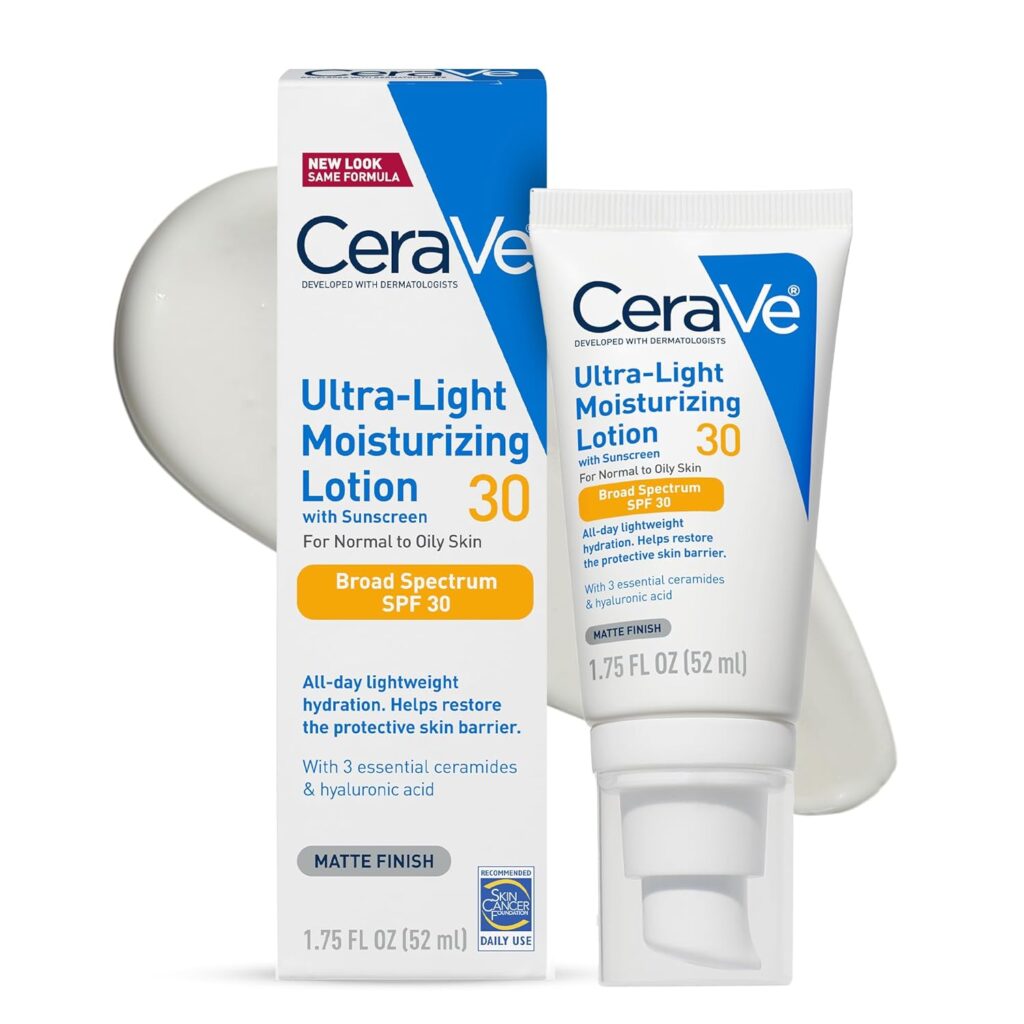
Best Drugstore Pick: CeraVe Ultra-Light Moisturizing Lotion SPF 30
For those looking for a budget-friendly option, CeraVe offers excellent sun protection without a heavy feel.
The formula includes ceramides that help support the skin barrier while protecting against UV damage.
Why We Love It
- Affordable
- Lightweight
- Fragrance-free
- Contains ceramides
Recommended Product
CeraVe Ultra-Light Moisturizing Lotion SPF 30
Benefits
- Daily hydration
- Barrier support
- Non-greasy finish
- Suitable for acne-prone skin
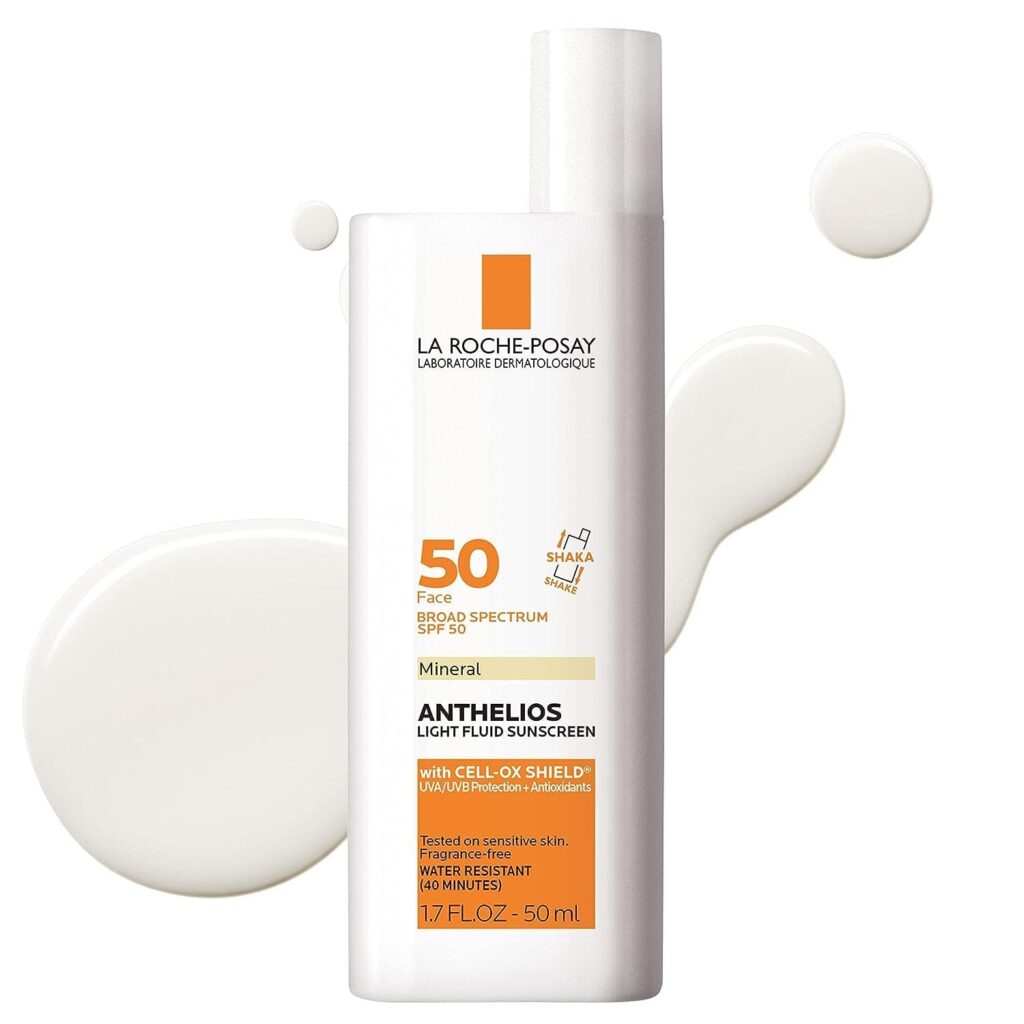
Best Mineral Sunscreen: La Roche-Posay Anthelios Mineral SPF 50
Some acne-prone skin types prefer mineral sunscreens because they tend to be less irritating.
This formula uses mineral UV filters while maintaining a lightweight feel.
Why We Love It
- Broad-spectrum SPF 50
- Gentle formula
- Suitable for sensitive skin
- Strong UV protection
Recommended Product
La Roche-Posay Anthelios Mineral SPF 50
Benefits
- Mineral sun protection
- Lightweight texture
- Non-comedogenic
- High SPF coverage
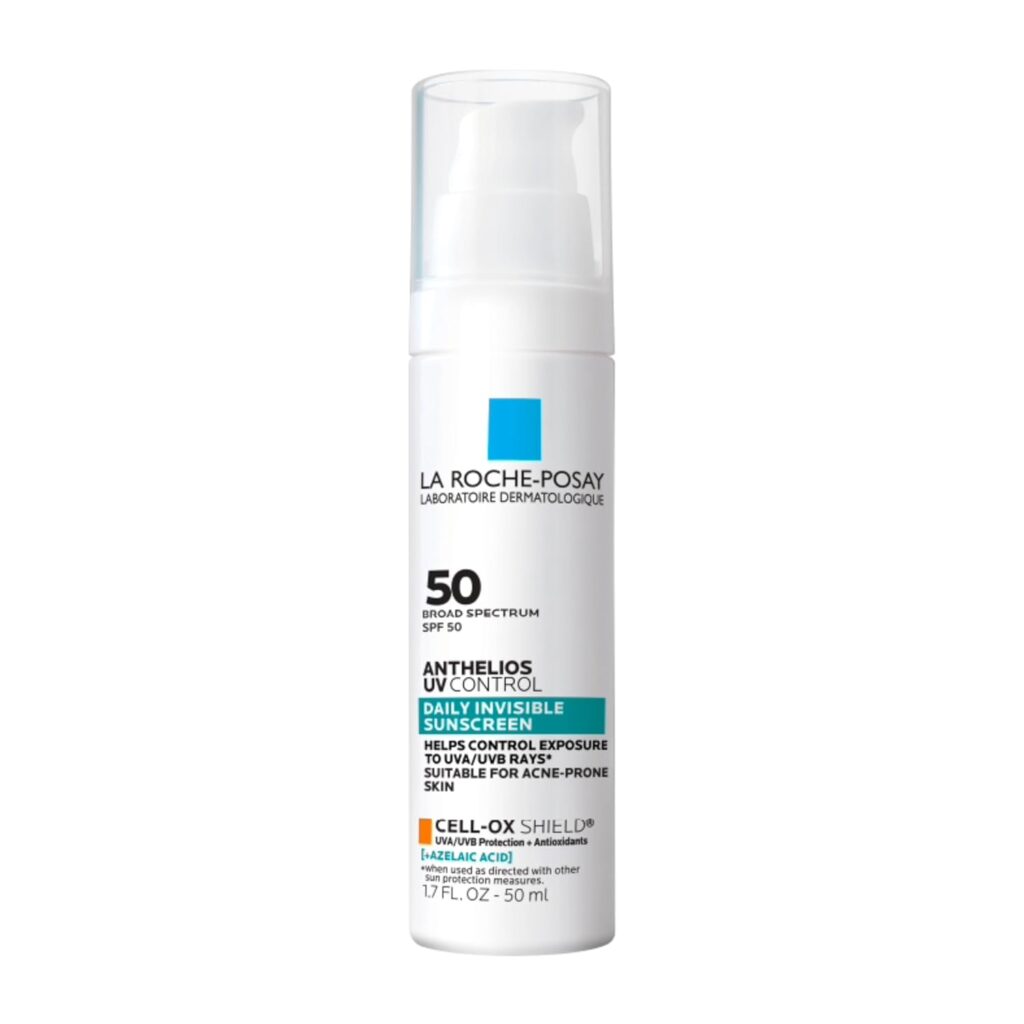
Best for Oily Skin: La Roche-Posay Anthelios UVMune Oil Control SPF 50+
If your skin becomes shiny within hours, an oil-control sunscreen may be your best choice.
This sunscreen helps reduce excess shine while maintaining strong UV protection.
Why We Love It
- Matte finish
- Oil-control technology
- Lightweight feel
- High SPF protection
Recommended Product
La Roche-Posay Anthelios Oil Control SPF 50+
Benefits
- Controls shine
- Won’t feel greasy
- Helps makeup last longer
- Ideal for oily skin
Common Sunscreen Mistakes That Cause Breakouts
Using Too Little
Most people apply far less sunscreen than recommended.
For your face and neck, aim for approximately two finger lengths of sunscreen.
Skipping Reapplication
Sunscreen should be reapplied every two hours during prolonged sun exposure.
Choosing Heavy Formulas
Products designed for body use may feel too heavy on acne-prone facial skin.
Sleeping in Sunscreen
Always cleanse your face thoroughly before bed.
How to Apply Sunscreen in Your Skincare Routine
Morning routine order:
- Cleanser
- Toner
- Serum
- Moisturizer
- Sunscreen
Sunscreen should always be the final skincare step before makeup.
Frequently Asked Questions
Can sunscreen cause acne?
Some formulas can contribute to clogged pores, especially if they’re heavy or comedogenic. Choosing non-comedogenic sunscreens reduces this risk.
Is mineral or chemical sunscreen better for acne-prone skin?
Both can work well. Mineral sunscreens are often preferred by people with sensitive skin, while modern chemical sunscreens tend to feel lighter.
What SPF is best for acne-prone skin?
Dermatologists generally recommend SPF 30 or higher for daily use.
Should I wear sunscreen indoors?
Yes. UV rays can penetrate windows, and daily protection helps prevent pigmentation and skin damage.
Final Verdict
The best sunscreen for acne-prone skin is one you’ll actually wear every day.
For most people, EltaMD UV Clear SPF 46 offers the ideal balance of protection, lightweight texture, and acne-friendly ingredients. If you’re shopping on a budget, CeraVe Ultra-Light SPF 30 is an excellent alternative. For oily skin, La Roche-Posay Anthelios Oil Control SPF 50+ can help keep shine under control while protecting your skin.
Daily sunscreen isn’t just about preventing sunburn—it’s one of the most important steps you can take for clearer, healthier skin.