
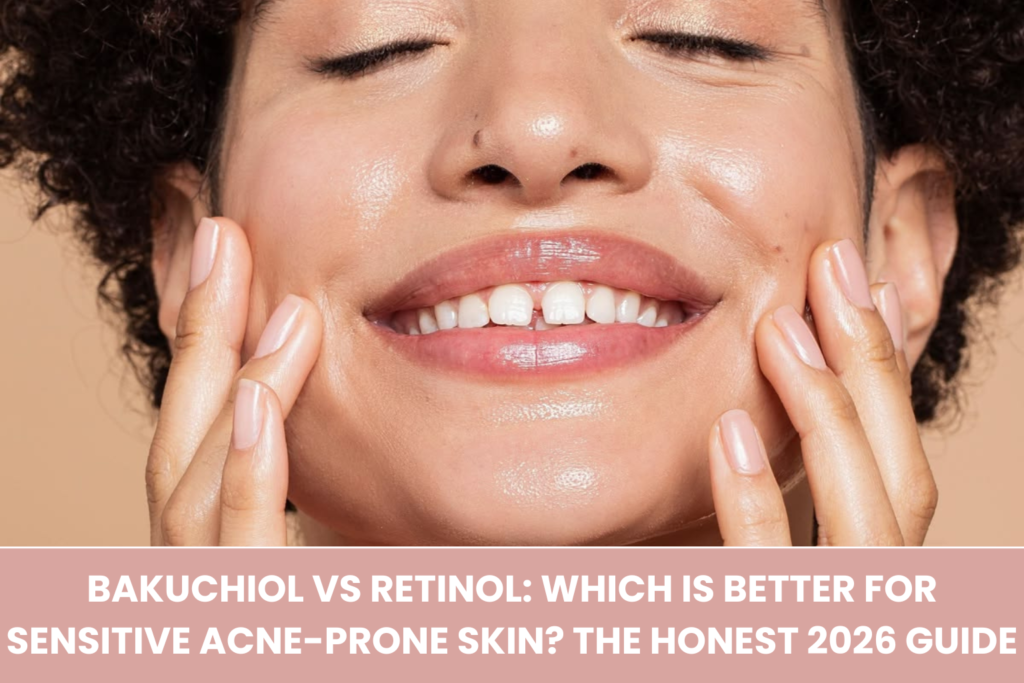
Bakuchiol vs Retinol: Which Is Better for Sensitive Acne-Prone Skin?
If you’ve spent any time researching skincare, you’ve probably come across two ingredients that seem to appear in every conversation about acne, fine lines, and smoother skin: retinol and bakuchiol.
Retinol has been the gold standard for decades. Dermatologists recommend it for acne, wrinkles, uneven skin tone, and improving skin texture. But anyone who has tried it knows it can come with a downside. Dryness, peeling, redness, and irritation are especially common during the first few weeks.
That’s where bakuchiol comes in. Often called the “natural alternative to retinol,” bakuchiol has become one of the most talked-about skincare ingredients in recent years. It promises many of the same benefits while being gentler on sensitive skin.
So which one should you choose?
If you have acne-prone skin that’s also sensitive, the answer isn’t as simple as picking the newest trend. In this guide, we’ll compare Bakuchiol vs Retinol, explain how each ingredient works, discuss who they’re best suited for, and recommend products that are worth your money.
What Is Retinol?
Retinol is a vitamin A derivative that increases skin cell turnover. As old skin cells are shed more quickly, pores become less likely to clog, making retinol one of the most effective over-the-counter ingredients for treating acne.
Retinol can also:
- Reduce blackheads and whiteheads
- Improve skin texture
- Fade post-acne marks
- Boost collagen production
- Soften fine lines
- Brighten uneven skin tone
Because it works deep within the skin, improvements usually become noticeable after eight to twelve weeks of consistent use.
The downside is that retinol often causes dryness and irritation while your skin adjusts.
What Is Bakuchiol?
Bakuchiol is a plant-derived ingredient extracted from the Psoralea corylifolia plant.
Although it isn’t chemically related to retinol, studies suggest it may offer similar cosmetic benefits, including smoother skin, improved texture, and reduced appearance of fine lines, while generally causing less irritation.
People often choose bakuchiol because it:
- Is gentle on sensitive skin
- Doesn’t usually cause peeling
- Can be used morning or night
- Pairs well with hydrating skincare
- May be suitable for people who cannot tolerate retinol
For many beginners, bakuchiol is an easier ingredient to incorporate into a skincare routine.
Bakuchiol vs Retinol: What’s the Difference?
Both ingredients aim to improve skin quality, but they perform differently.
Retinol has decades of scientific research behind it and remains the better-studied option for treating acne. It works by speeding up skin renewal and helping prevent clogged pores.
Bakuchiol appears to support skin renewal through different biological pathways. It is generally better tolerated but has less evidence specifically for acne treatment compared with retinoids.
If your primary goal is clearing persistent acne, retinol usually has the stronger evidence.
If your skin becomes red, flaky, or irritated with retinoids, bakuchiol may be a worthwhile alternative.
Which Ingredient Is Better for Acne?
When comparing Bakuchiol vs Retinol, retinol is usually the winner for acne treatment.
Retinol helps:
- Prevent clogged pores
- Reduce inflammatory pimples
- Improve skin texture
- Fade acne marks over time
Bakuchiol may help calm inflammation and support healthier-looking skin, but current research doesn’t show it to be as effective as retinoids for treating acne.
For stubborn or recurring breakouts, retinol remains the first choice.
Which One Is Better for Sensitive Skin?
This is where bakuchiol shines.
People with sensitive skin often struggle with:
- Peeling
- Burning
- Tightness
- Redness
Bakuchiol is much less likely to cause these side effects.
If you’ve tried retinol several times and couldn’t tolerate it, bakuchiol may be a better long-term option.
Can You Use Bakuchiol and Retinol Together?
Yes, in some cases.
Some skincare routines use bakuchiol in the morning and retinol at night. Others use bakuchiol on nights when they’re not applying retinol.
However, if your skin is easily irritated, introduce one active ingredient at a time and monitor how your skin responds.
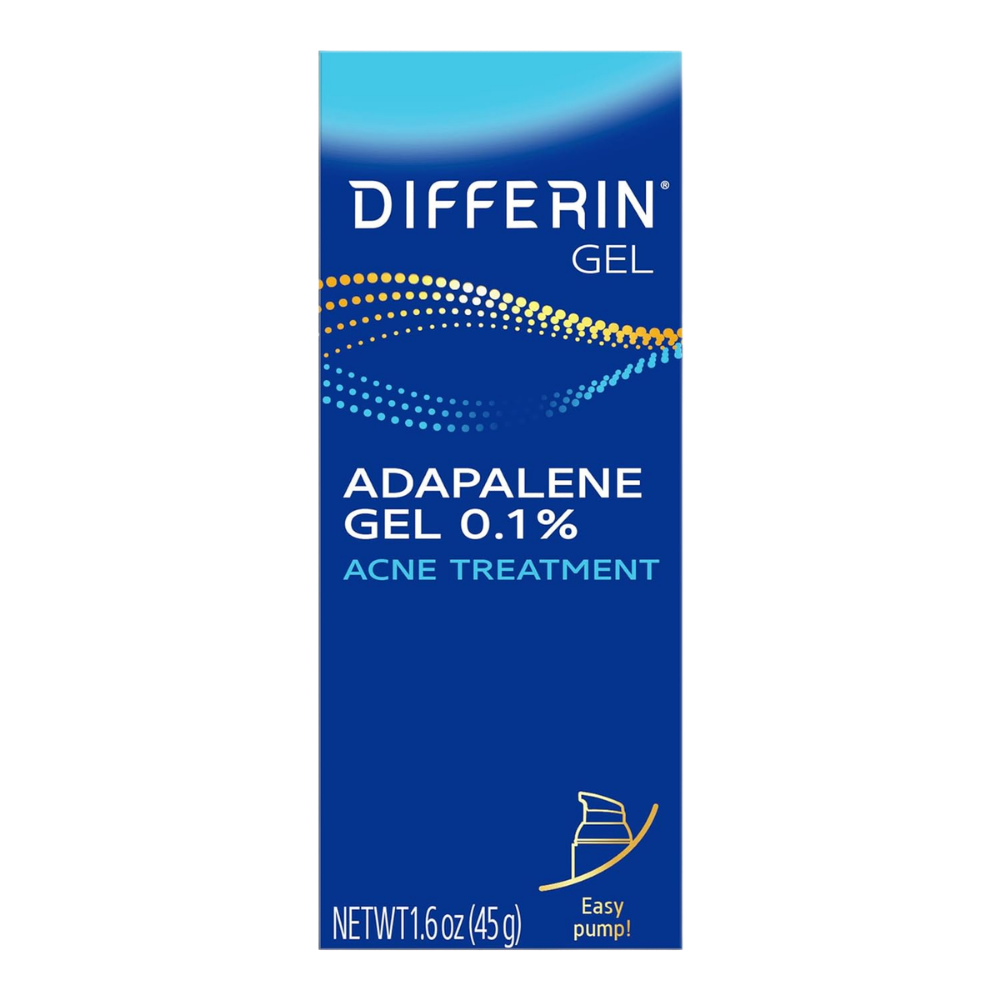
Best Retinol for Sensitive Acne-Prone Skin
If you want the proven acne-fighting benefits of retinol without starting with a harsh formula, this is one of the best options.
Recommended Product
Why we like it
- Dermatologist-recommended
- Helps prevent clogged pores
- Effective for acne-prone skin
- Fragrance-free
- Suitable for long-term use
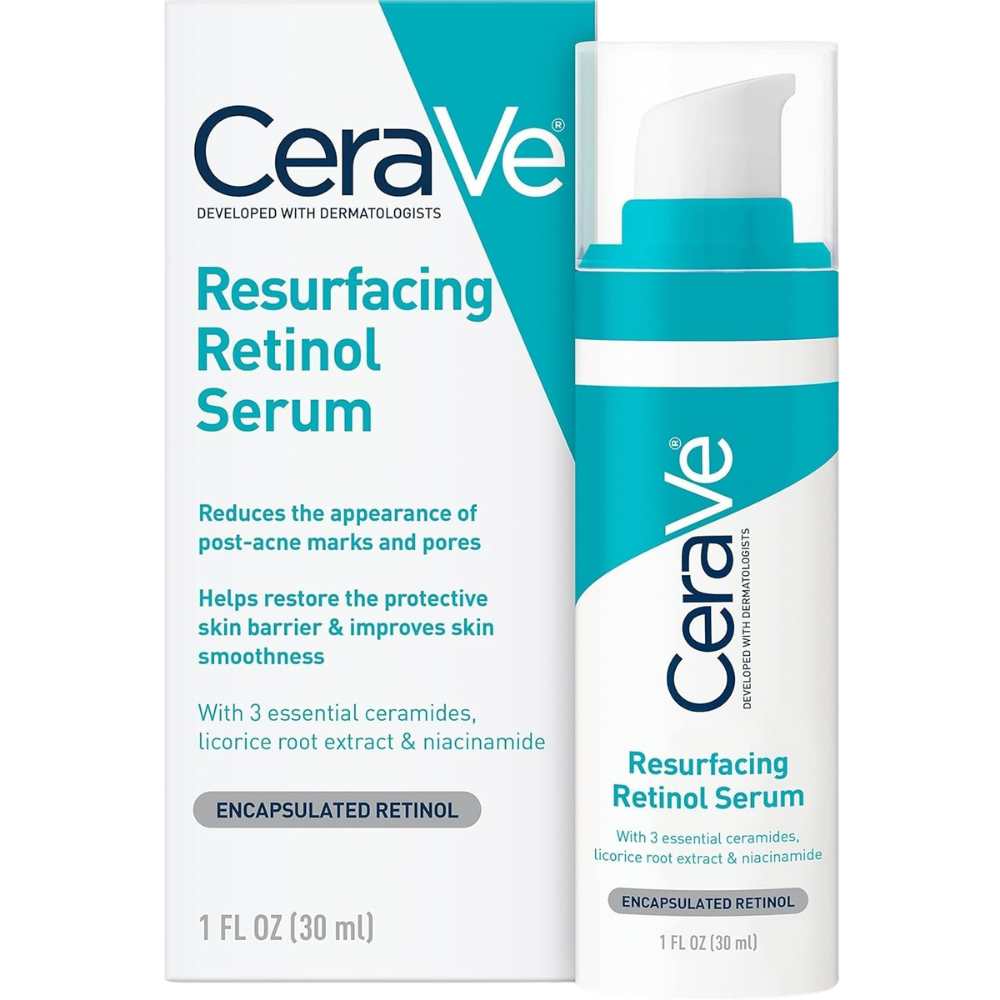
Best Gentle Retinol Moisturizer
A moisturizer containing retinol can be a good option if you’re worried about dryness.
Recommended Product
CeraVe Resurfacing Retinol Serum
Why we like it
- Encapsulated retinol
- Niacinamide to calm the skin
- Ceramides support the skin barrier
- Helps improve post-acne marks
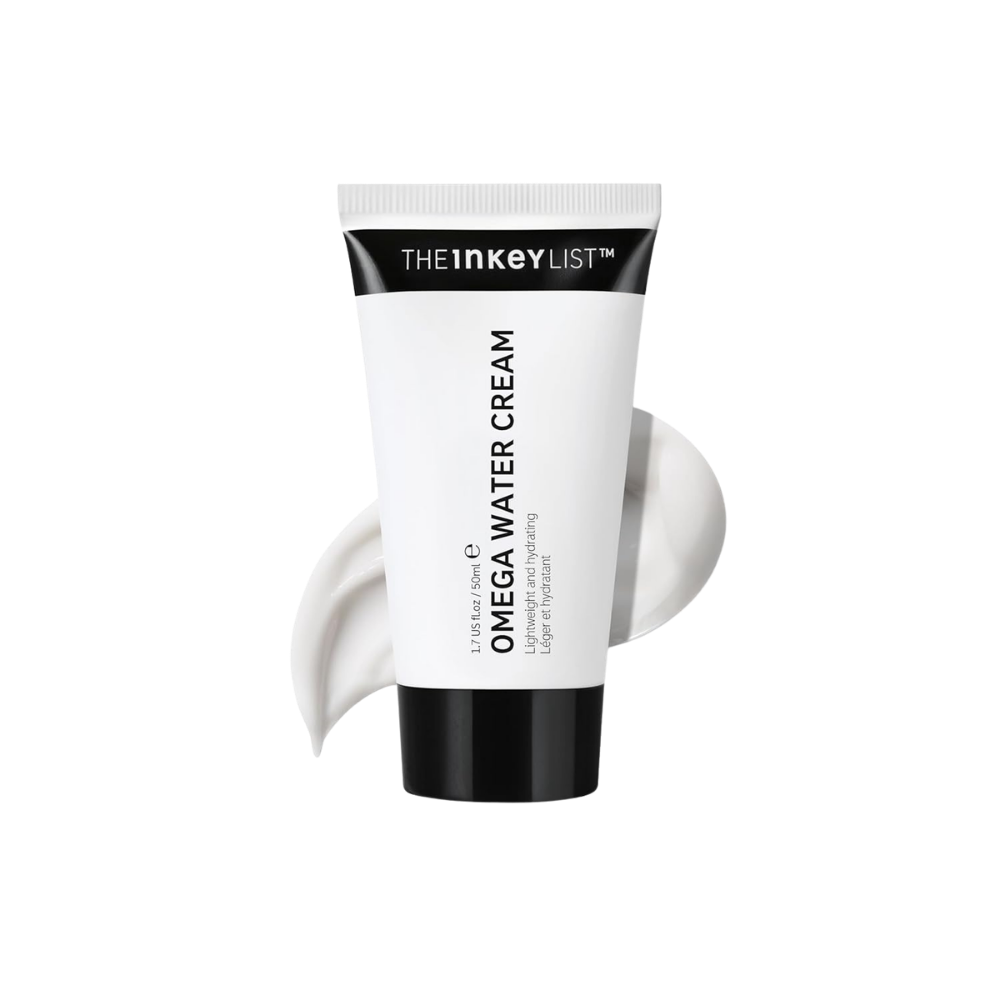
Best Bakuchiol Serum
Recommended Product
The INKEY List Bakuchiol Moisturizer
Why we like it
- Contains 1% bakuchiol to help improve skin texture
- Gentle enough for sensitive skin
- Helps reduce the appearance of fine lines and uneven skin tone
- Lightweight, non-greasy formula
- Fragrance-free and suitable for acne-prone skin
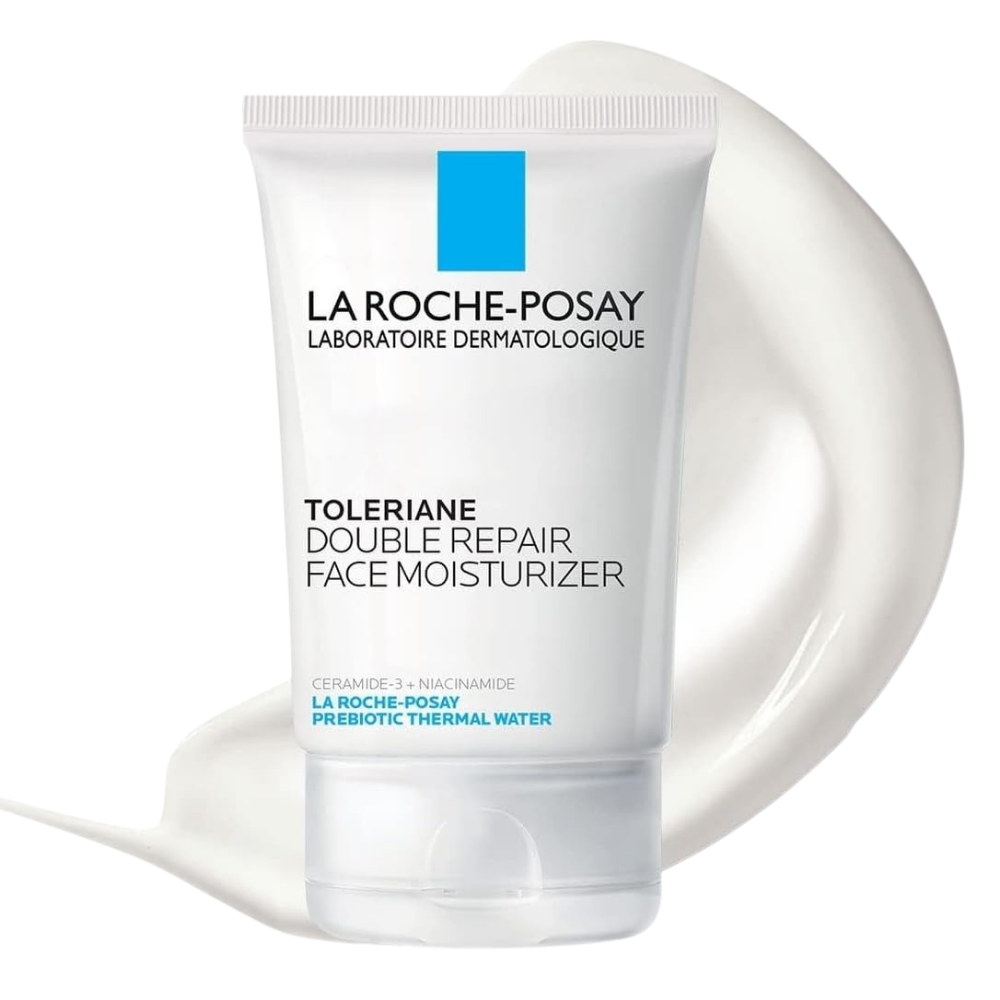
Best Moisturizer to Use With Retinol
Hydration is essential when using retinol.
Recommended Product
La Roche-Posay Toleriane Double Repair Face Moisturizer
Why we like it
- Lightweight
- Contains ceramides
- Supports the skin barrier
- Helps reduce dryness from retinol
Don’t Forget Sunscreen
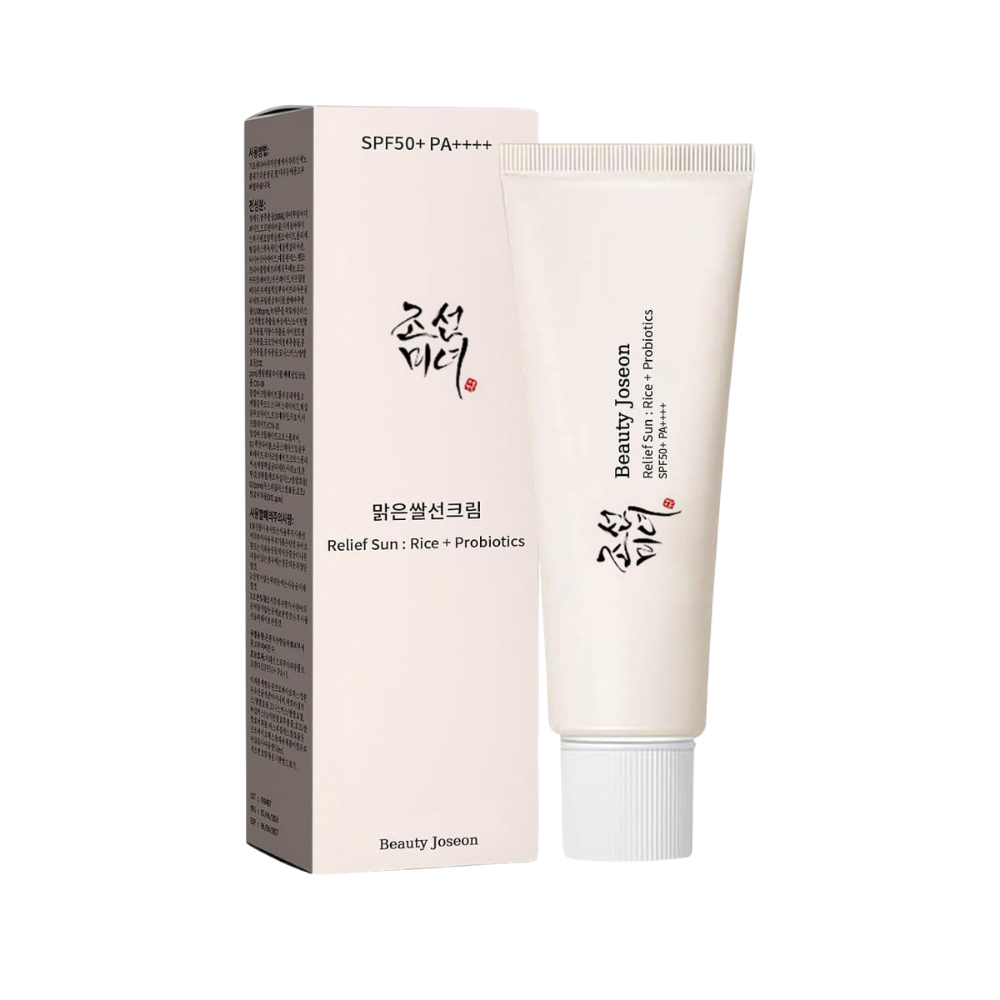
Both retinol and bakuchiol routines benefit from daily sunscreen, especially if you’re trying to fade acne marks.
Recommended Product
Beauty of Joseon Relief Sun SPF50+
Why we like it
- Lightweight
- No white cast
- Comfortable under makeup
- Excellent for acne-prone skin
My Recommendation
If your main goal is treating active acne, clogged pores, and post-acne marks, retinol is still the better choice because it has much stronger evidence behind it.
If your skin is extremely sensitive or you’ve stopped using retinol because of irritation, bakuchiol is a reasonable alternative that may improve overall skin appearance with a lower risk of dryness.
For many people, starting with bakuchiol can build confidence before transitioning to a gentle retinol later.
Final Thoughts
The debate around Bakuchiol vs Retinol isn’t about choosing a winner for everyone. It’s about finding the ingredient your skin can tolerate consistently.
Retinol remains the most effective over-the-counter ingredient for treating acne and improving skin texture. Bakuchiol offers a gentler option for people with sensitive skin who want similar cosmetic benefits without the common irritation associated with retinoids.
Whichever ingredient you choose, remember that consistency matters more than chasing quick results. Pair your treatment with a gentle cleanser, a barrier-supporting moisturizer, and a broad-spectrum sunscreen, and give your skin time to respond.
Related Articles
- Retinol for Beginners: How to Start Without Wrecking Your Skin
- Retinol for Sensitive Acne-Prone Skin: Gentlest Options That Won’t Irritate
- Best Acne Treatment 2026: What Actually Works According to Dermatologists
- Acne Skincare Routine That Actually Works
- How to Get Rid of Acne Scars: The Complete Guide