

Retinol for Beginners: How to Start Without Wrecking Your Skin
If you’ve spent any time researching skincare, you’ve probably heard people rave about retinol. It’s often called one of the most effective ingredients for improving acne, fine lines, uneven skin tone, and skin texture.
But there’s one problem.
Many people start using retinol incorrectly.
They apply too much, use it too often, combine it with the wrong products, and then wonder why their skin becomes red, flaky, and irritated.
The truth is that retinol can deliver impressive results when used properly. However, success comes from introducing it gradually and understanding how your skin responds.
This Retinol for Beginners guide will show you exactly how to start using retinol safely, avoid common mistakes, and build a routine that helps you achieve healthier-looking skin without damaging your skin barrier.
What Is Retinol?
Before diving into this Retinol for Beginners guide, it’s important to understand what retinol actually does.
Retinol belongs to a family of ingredients called retinoids, which are derived from vitamin A.
When applied consistently, retinol helps increase skin cell turnover and encourages the production of new skin cells. This process can improve the appearance of acne, dark spots, rough texture, and signs of aging.
Because of these benefits, retinol has become one of the most recommended ingredients by dermatologists worldwide.
Why Retinol Is So Popular
There are very few skincare ingredients that have been studied as extensively as retinoids.
Many people begin researching Retinol for Beginners because they want help with one or more of the following concerns:
- Acne and clogged pores
- Fine lines and wrinkles
- Uneven skin tone
- Post-acne marks
- Rough skin texture
- Dull-looking skin
Retinol doesn’t work overnight, but it can provide noticeable improvements when used consistently.
Choosing the Right Retinol Product
One of the biggest mistakes beginners make is starting with a formula that’s too strong.
A lower-strength product often delivers better long-term results because it allows your skin to adapt gradually.
Recommended Product
CeraVe Resurfacing Retinol Serum
A beginner-friendly retinol serum designed to improve skin texture and post-acne marks while supporting the skin barrier.
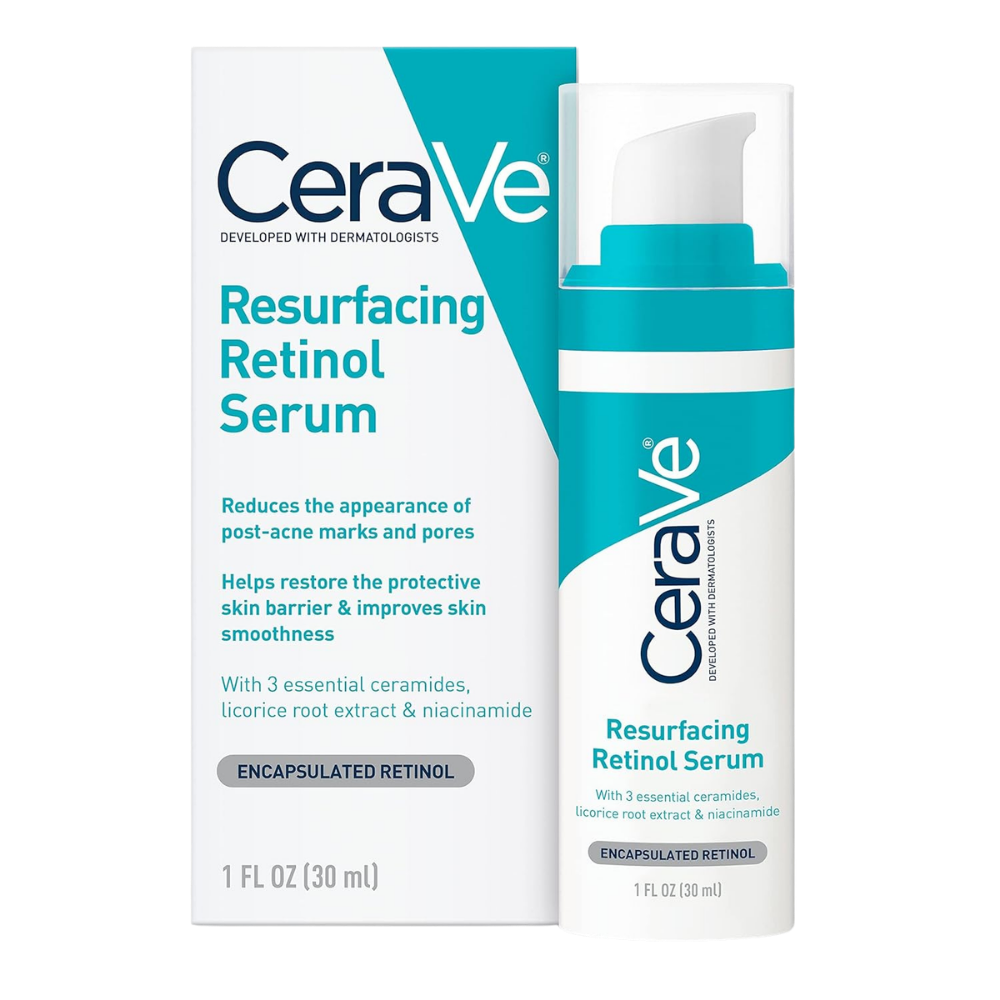
For most people following a Retinol for Beginners approach, starting with a gentle formula is the smartest decision.
Start Slowly
The most important lesson in this Retinol for Beginners guide is simple:
Don’t rush.
Many skincare enthusiasts get excited and immediately begin using retinol every night.
This often leads to unnecessary irritation.
Instead, start with:
- Week 1–2: Once per week
- Week 3–4: Twice per week
- Week 5–6: Three times per week
Gradually increasing frequency gives your skin time to adjust.
How Much Retinol Should You Use?
Another common mistake is using too much product.
When it comes to retinol, more is not better.
Most dermatologists recommend using an amount roughly the size of a pea for your entire face.
Applying excess retinol won’t make results happen faster. It simply increases the likelihood of irritation.
If you’re following this Retinol for Beginners strategy, a pea-sized amount is usually enough.
The Sandwich Method
One of the easiest ways to reduce irritation is by using the sandwich method.
This technique involves:
- Applying moisturizer
- Applying retinol
- Applying another layer of moisturizer
The moisturizer creates a buffer that can make retinol easier to tolerate.
Many people new to Retinol for Beginners find this approach extremely helpful during the first few months.
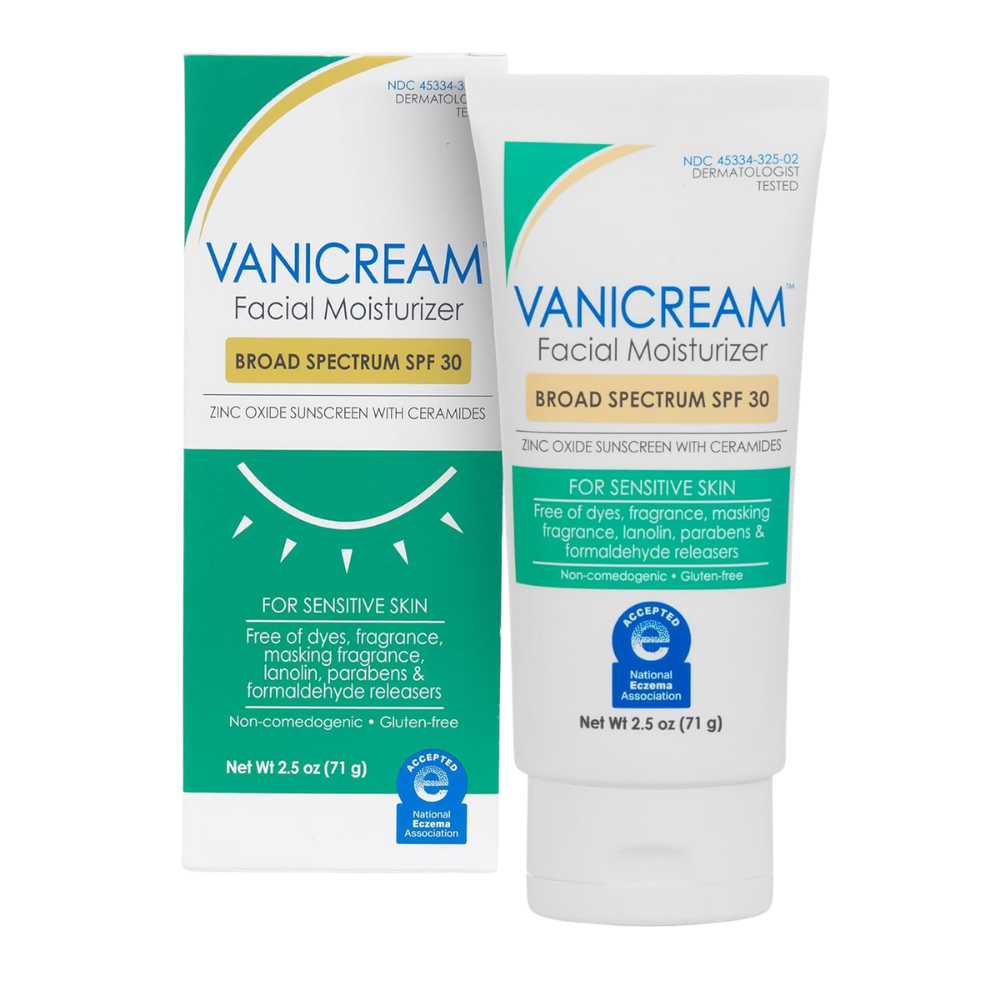
Recommended Product
Vanicream Daily Facial Moisturizer
A lightweight moisturizer designed to support sensitive and acne-prone skin.
What Side Effects Are Normal?
Some mild side effects are expected when starting retinol.
These may include:
- Dryness
- Mild peeling
- Temporary sensitivity
- Slight redness
This adjustment period is sometimes called retinization.
For many people following a proper Retinol for Beginners routine, these effects improve as the skin adapts.
However, severe burning, intense redness, or painful irritation are signs that you’re moving too quickly.
Ingredients You Should Be Careful With
When beginning retinol, it’s important not to overload your routine with strong active ingredients.
Combining too many treatments can overwhelm the skin barrier.
Use caution when pairing retinol with:
- Strong exfoliating acids
- Benzoyl peroxide
- Harsh scrubs
- High-strength peels
A successful Retinol for Beginners routine focuses on simplicity.
The Importance of Sunscreen
Retinol makes skin more sensitive to sunlight.
That’s why sunscreen is non-negotiable.
Without proper sun protection, irritation can worsen and post-acne marks may become more noticeable.
Recommended Product
Beauty of Joseon Relief Sun SPF50+
A lightweight sunscreen suitable for daily use.
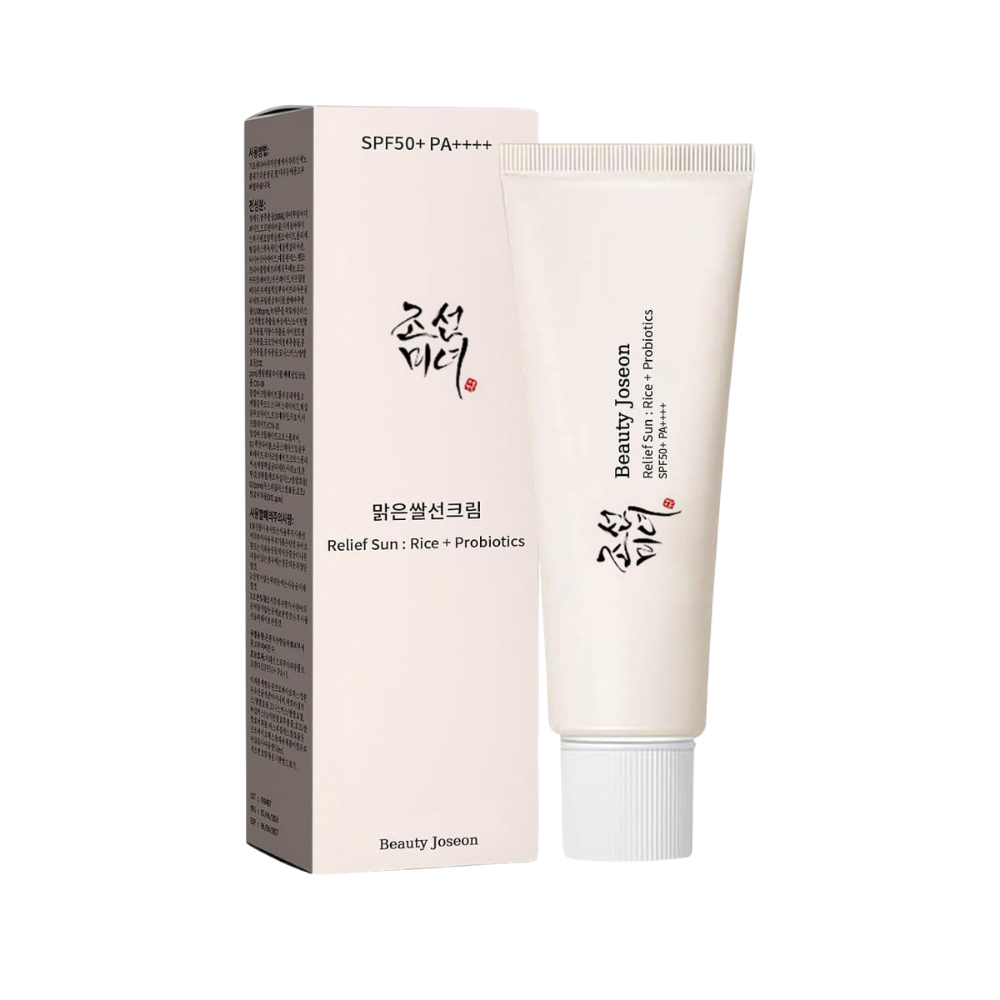
Every effective Retinol for Beginners routine includes daily sunscreen.
A Simple Retinol Routine for Beginners
One reason people struggle with retinol is because they use too many products at once.
A simple routine often works best.
Morning Routine
- Gentle cleanser
- Moisturizer
- Sunscreen
Evening Routine (Retinol Night)
- Gentle cleanser
- Moisturizer
- Retinol
- Moisturizer
This approach keeps your Retinol for Beginners routine effective while minimizing irritation.
How Long Does Retinol Take to Work?
Patience is essential.
Many beginners expect visible changes within days.
In reality, retinol works gradually.
Typical timelines include:
- 4–6 weeks: Smoother skin texture
- 8–12 weeks: Fewer breakouts
- 3–6 months: Improved tone and appearance
- 6–12 months: More noticeable long-term improvements
The people who see the best results from a Retinol for Beginners routine are usually those who stay consistent.
Common Retinol Mistakes
Even a good product can cause problems if used incorrectly.
Common mistakes include:
- Starting too aggressively
- Using too much product
- Skipping moisturizer
- Forgetting sunscreen
- Constantly switching products
- Combining too many active ingredients
Avoiding these mistakes can dramatically improve your experience with retinol.
Can Retinol Help Acne?
Absolutely.
Many people researching Retinol for Beginners are primarily interested in acne treatment.
Retinol helps prevent clogged pores and supports healthier skin cell turnover.
Because acne often begins with blocked pores, retinol can be an effective long-term strategy for managing breakouts.
This is one reason dermatologists frequently recommend retinoids for acne-prone skin.
Can Retinol Help Acne Scars?
Retinol may also help improve the appearance of post-acne marks over time.
By encouraging skin renewal and supporting collagen production, retinol can contribute to smoother-looking skin.
While deeper scars may require professional treatments, retinol remains one of the most valuable ingredients for improving overall skin texture.
Who Should Avoid Retinol?
Although retinol works well for many people, it isn’t suitable for everyone.
Individuals with extremely sensitive skin may need alternative approaches.
If you’re uncertain whether retinol is appropriate for your situation, consulting a dermatologist is always a good idea.
Final Thoughts
Starting retinol doesn’t have to be intimidating.
The key to success is taking a gradual approach, supporting your skin barrier, and remaining consistent.
This Retinol for Beginners guide focuses on the principles that matter most: choosing a gentle product, introducing it slowly, using moisturizer generously, and wearing sunscreen every day.
Retinol is not a miracle ingredient that transforms skin overnight. However, when used correctly, it can become one of the most effective tools in your skincare routine.
If you’re patient and follow a smart Retinol for Beginners strategy, healthier, smoother, and clearer-looking skin is absolutely achievable.