
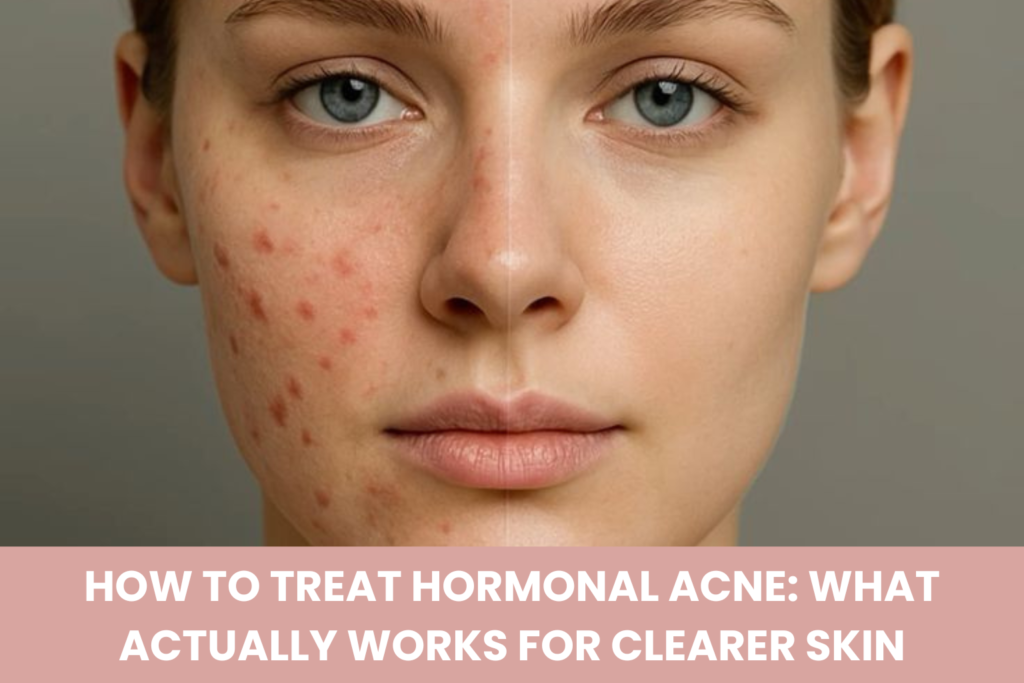
How to Treat Hormonal Acne: What Actually Works for Clearer Skin
Hormonal acne can be one of the most frustrating skin concerns to deal with.
Unlike the occasional breakout that appears after a stressful week or a skipped skincare routine, hormonal acne tends to return again and again. Just when you think your skin is improving, another painful pimple appears in the exact same place.
If you’ve been searching for how to treat hormonal acne, you’re not alone. Millions of people struggle with recurring breakouts linked to hormonal fluctuations, and finding a solution often feels overwhelming.
The good news is that hormonal acne can be managed. While there’s rarely a single miracle cure, understanding what causes these breakouts and using the right products consistently can make a significant difference.
What Is Hormonal Acne?
Before learning how to treat hormonal acne, it’s important to understand what makes it different from other types of acne.
Hormonal acne is triggered by fluctuations in hormones that increase oil production. This excess oil mixes with dead skin cells and bacteria, creating the perfect environment for clogged pores and inflammation.
Hormonal acne commonly appears on:
- Chin
- Jawline
- Lower cheeks
- Neck
These breakouts are often deeper, more painful, and slower to heal than typical pimples.
Many people notice that hormonal acne follows a pattern, appearing around the same time every month or during periods of increased stress.
Why Hormonal Acne Keeps Coming Back
One reason hormonal acne is so stubborn is that the underlying trigger often remains active.
You can treat a breakout on the surface, but if hormones continue increasing oil production, new pimples may keep forming.
That’s why learning how to treat hormonal acne involves more than spot treatments. The goal is to prevent clogged pores and reduce inflammation before breakouts appear.
The Ingredient That Helped My Hormonal Acne Most
When I first started researching how to treat hormonal acne, I tried countless products that promised fast results.
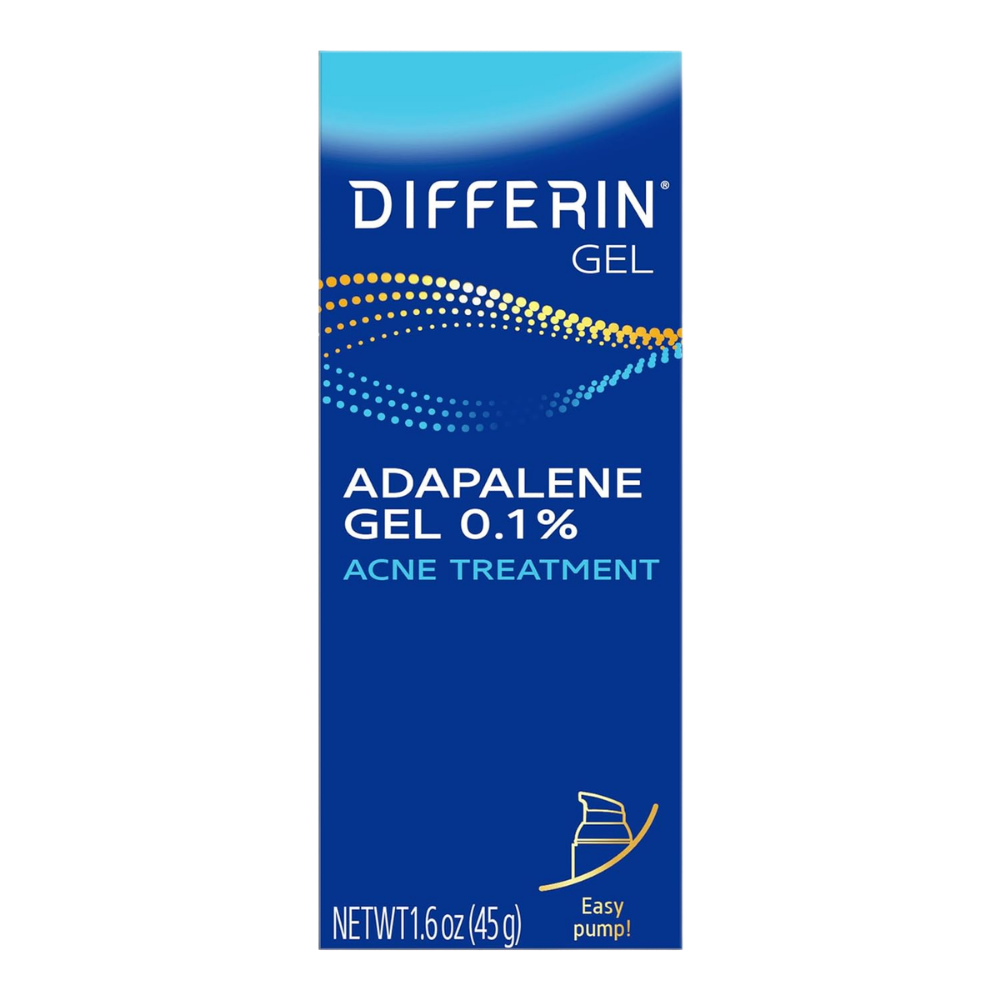
The ingredient that ultimately made the biggest difference was adapalene.
Adapalene is a retinoid that helps regulate skin cell turnover and prevents pores from becoming clogged. Instead of treating only existing pimples, it works to stop future breakouts from forming.
Recommended Product
One of the most effective over-the-counter treatments for acne-prone skin.
Why Salicylic Acid Is Helpful for Hormonal Acne
Another important step when learning how to treat hormonal acne is keeping pores clear.
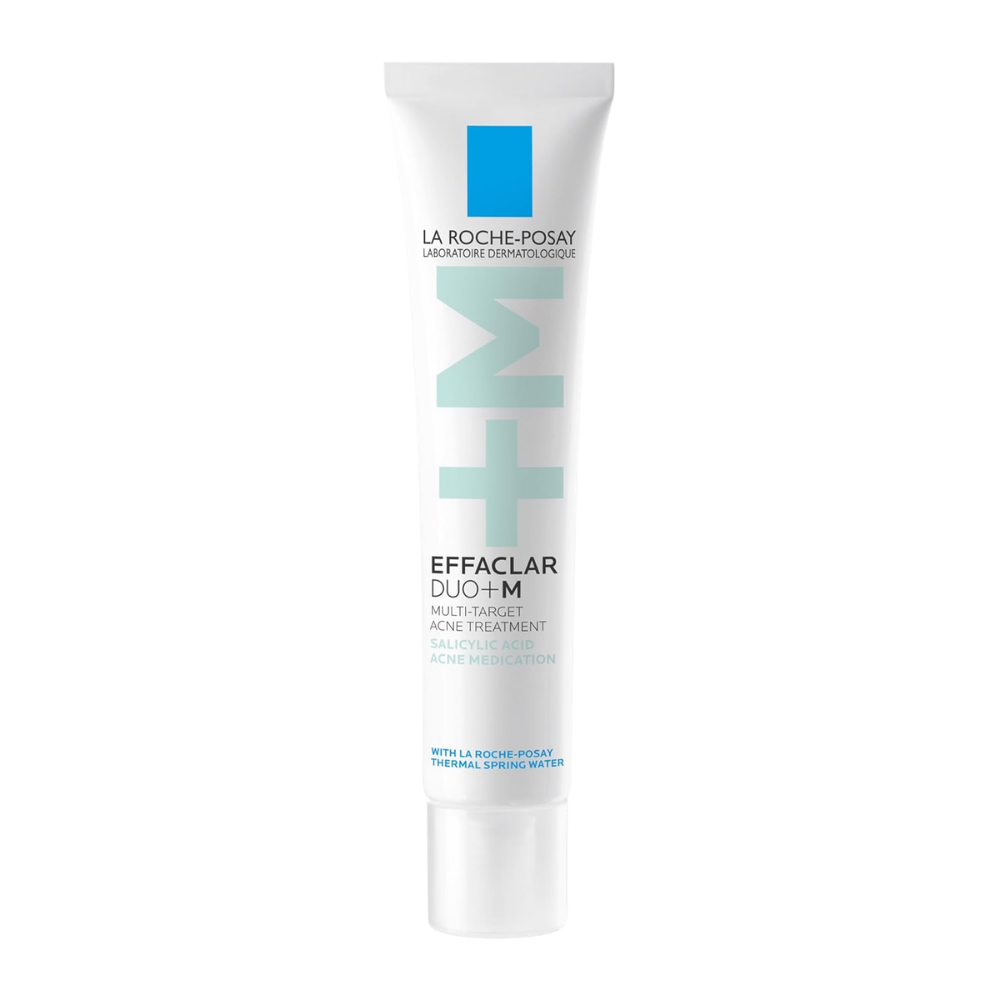
Salicylic acid is especially useful because it penetrates deep into pores and helps dissolve the buildup of oil and dead skin cells that contribute to breakouts.
Many people find that combining a retinoid with salicylic acid helps reduce recurring acne over time.
Recommended Product
La Roche-Posay Effaclar Salicylic Acid Acne Treatment
Designed to help clear clogged pores and improve skin texture.
Don’t Make the Mistake of Skipping Moisturizer
For years, I assumed oily skin didn’t need moisturizer.
That mistake actually made my skin worse.
Many acne treatments can be drying, and when the skin becomes dehydrated, it often produces more oil to compensate.
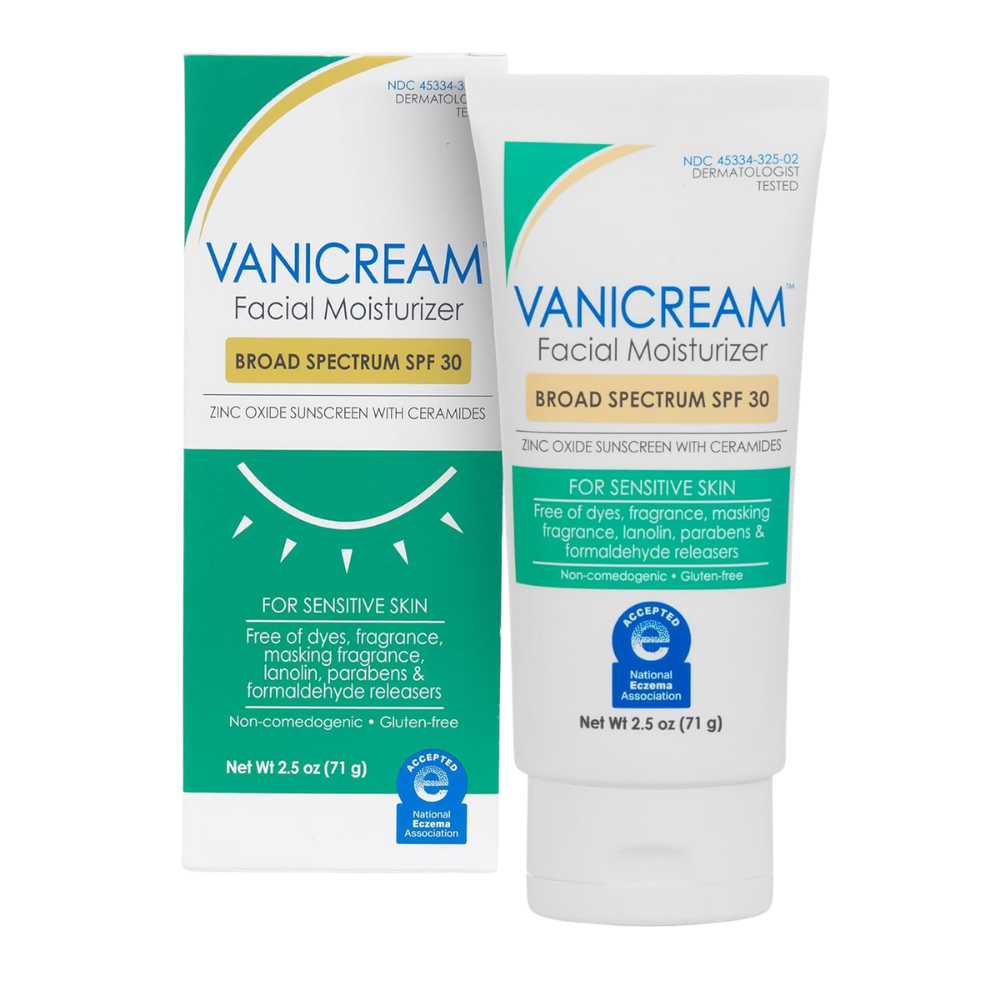
A lightweight moisturizer helps maintain the skin barrier and supports healthier skin overall.
Recommended Product
Vanicream Daily Facial Moisturizer
A lightweight moisturizer suitable for acne-prone and sensitive skin.
Lifestyle Habits That Can Support Clearer Skin
While skincare is important, lifestyle habits can also influence hormonal acne.
Getting enough sleep, managing stress, exercising regularly, and maintaining a balanced diet may help support overall skin health.
Stress, in particular, is a common trigger. Many people notice more breakouts during stressful periods, which is why stress management can be an important part of learning how to treat hormonal acne.
No lifestyle change guarantees clear skin, but healthy habits often complement a good skincare routine.
Sunscreen Matters More Than You Think
Many people focus entirely on acne treatments while ignoring sunscreen.
If you’re using ingredients like adapalene or exfoliating acids, daily sun protection becomes even more important.
Without sunscreen, acne marks may linger longer and become more noticeable.
Recommended Product
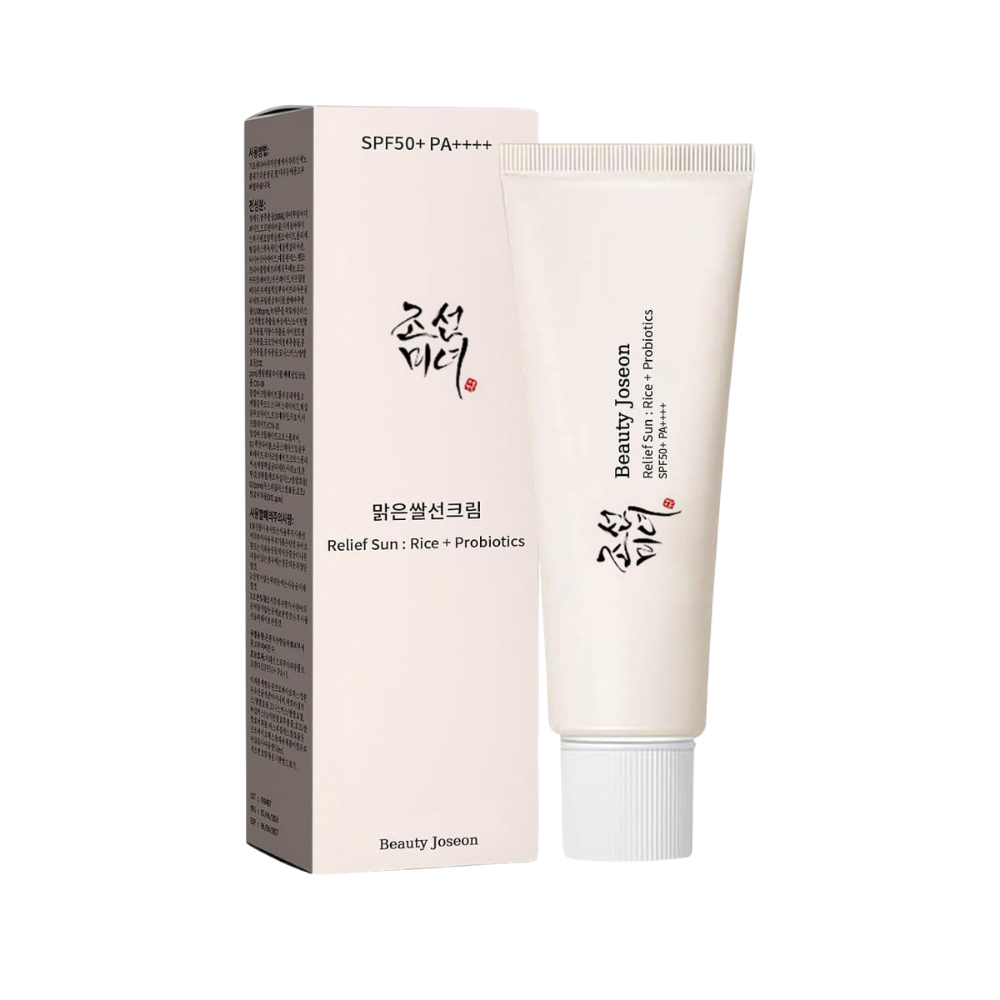
Beauty of Joseon Relief Sun SPF 50+
A lightweight sunscreen that feels comfortable even on acne-prone skin.
My Simple Hormonal Acne Routine
After years of trial and error, my routine became surprisingly simple.
In the morning, I cleanse my skin, apply moisturizer, and finish with sunscreen.
At night, I cleanse again, apply adapalene, moisturize, and occasionally use a salicylic acid treatment on alternate evenings.
The biggest lesson I learned about how to treat hormonal acne is that consistency matters far more than complexity.
You don’t need a dozen products.
You need a routine you can stick to.
How Long Does It Take to Treat Hormonal Acne?
One of the most common questions people ask about how to treat hormonal acne is how quickly results appear.
While everyone is different, noticeable improvements often take several weeks.
Some people begin seeing changes within a month, while others may need several months of consistent treatment.
The key is patience.
Switching products every few weeks often prevents you from seeing what actually works.
Final Thoughts
If you’re wondering how to treat hormonal acne, focus on proven ingredients, healthy skin habits, and consistency.
Products like adapalene, salicylic acid, moisturizer, and sunscreen can help reduce recurring breakouts and support healthier skin over time.
Hormonal acne can be stubborn, but it isn’t unbeatable.
With the right routine and realistic expectations, clearer skin is absolutely possible.