
Gentle 10-Step Skincare Routine for Acne-Prone Skin
If you have acne-prone skin, you’ve probably tried products that promised clear skin but left you with redness, dryness, and irritation instead.
The truth is that acne-prone skin doesn’t always need stronger products. In many cases, a gentle and consistent skincare routine works better than an aggressive one.
A well-designed skincare routine can help reduce breakouts, control excess oil, improve skin texture, and support your skin barrier without causing unnecessary irritation.
This guide walks you through a gentle 10-step skincare routine designed specifically for acne-prone skin.
Why Gentle Skincare Matters for Acne
Many people assume that acne is caused by dirty skin and try to scrub, dry out, or over-treat their face.
Unfortunately, this often makes acne worse.
When the skin barrier becomes damaged, your skin may produce more oil, become more inflamed, and struggle to heal existing breakouts.
A gentle routine helps:
- Reduce irritation
- Support the skin barrier
- Minimize redness
- Improve hydration
- Enhance the effectiveness of acne treatments
The goal is healthy skin first and clear skin second.
Step 1: Use a Gentle Cleanser
Start your morning and evening routine with a gentle cleanser.
Look for formulas that remove dirt, oil, and sunscreen without stripping the skin.
Avoid harsh scrubs or cleansers that leave your face feeling tight.
What to Look For
- Fragrance-free
- Non-comedogenic
- Hydrating ingredients
- Sulfate-free formulas
Recommended Product
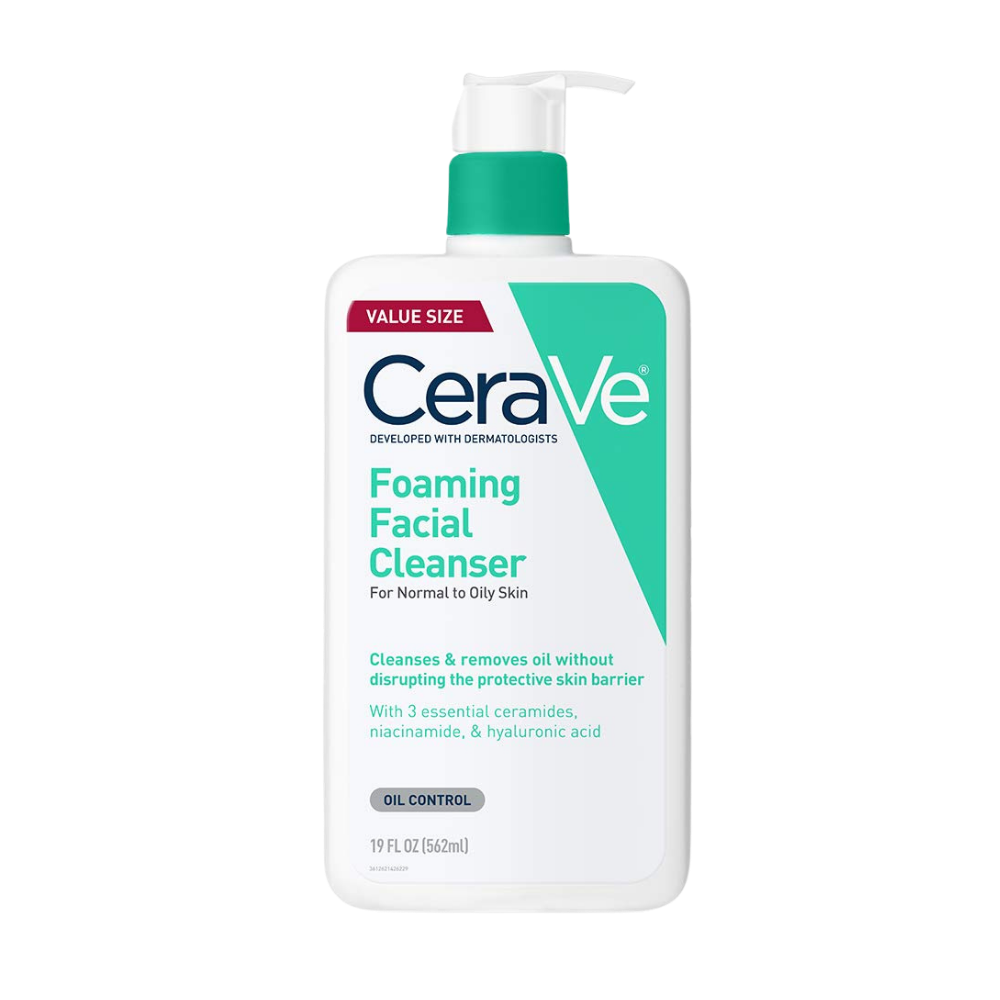
CeraVe Foaming Facial Cleanser
Benefits
- Removes excess oil gently
- Supports the skin barrier
- Suitable for acne-prone skin
- Fragrance-free
Step 2: Apply a Hydrating Toner
A hydrating toner can help replenish moisture after cleansing.
Choose alcohol-free formulas containing ingredients like:
- Hyaluronic acid
- Glycerin
- Panthenol
- Centella asiatica
Skip harsh astringents that can increase irritation.
Step 3: Use a Lightweight Essence
An essence provides an additional layer of hydration while helping prepare your skin for the next steps.
This step is especially useful if your skin feels dehydrated despite being oily.
Benefits
- Supports hydration
- Improves skin texture
- Helps reduce tightness
Step 4: Apply a Niacinamide Serum
Niacinamide is one of the best ingredients for acne-prone skin.
It helps:
- Regulate oil production
- Reduce redness
- Support the skin barrier
- Improve post-acne marks
Most people tolerate niacinamide very well.
Recommended Product
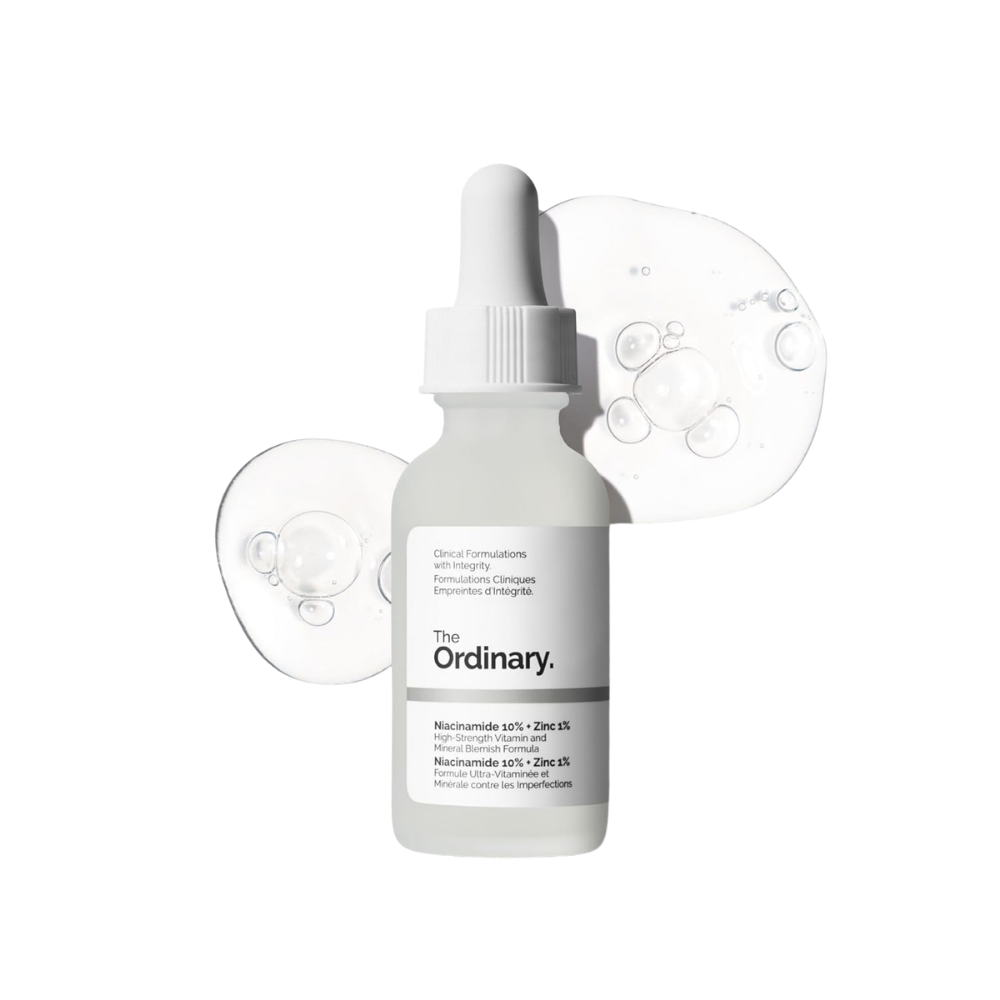
The Ordinary Niacinamide 10% + Zinc 1%
Benefits
- Helps control excess oil
- Improves skin texture
- Reduces visible pores
- Affordable option
Step 5: Use a Targeted Acne Treatment
If you experience regular breakouts, a targeted treatment can help.
Common options include:
Salicylic Acid
Best for:
- Blackheads
- Whiteheads
- Congested pores
Benzoyl Peroxide
Best for:
- Inflammatory acne
- Red pimples
Adapalene
Best for:
- Persistent acne
- Preventing clogged pores
Introduce only one active treatment at a time.
Step 6: Apply a Barrier-Supporting Serum
Many people focus only on treating acne and forget to strengthen the skin barrier.
Look for ingredients such as:
- Ceramides
- Panthenol
- Beta-glucan
- Centella asiatica
A healthy barrier often means fewer breakouts and less irritation.
Step 7: Use a Lightweight Moisturizer
Moisturizer is essential, even for oily skin.
Skipping moisturizer can trigger more oil production and worsen acne.
Choose a lightweight non-comedogenic formula.
Recommended Product
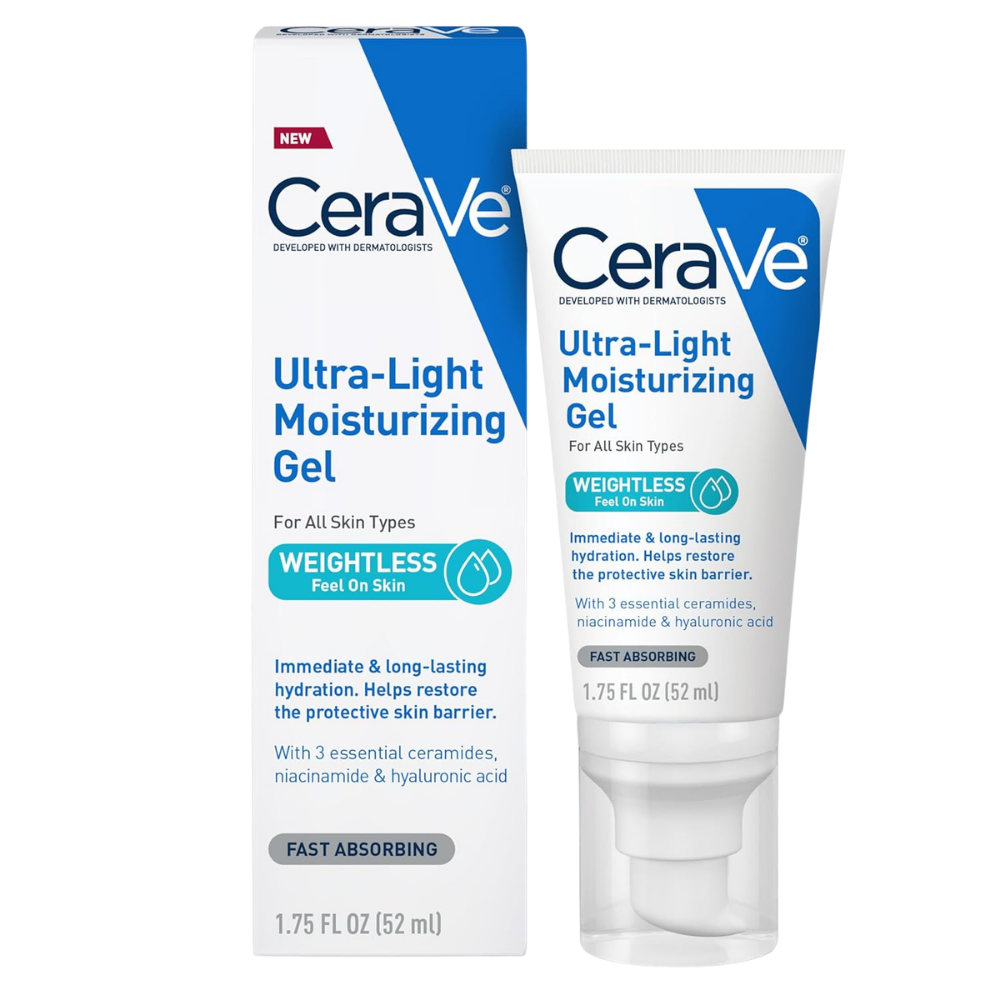
CeraVe PM Facial Moisturizing Lotion
Benefits
- Lightweight hydration
- Contains ceramides
- Supports the skin barrier
- Suitable for acne-prone skin
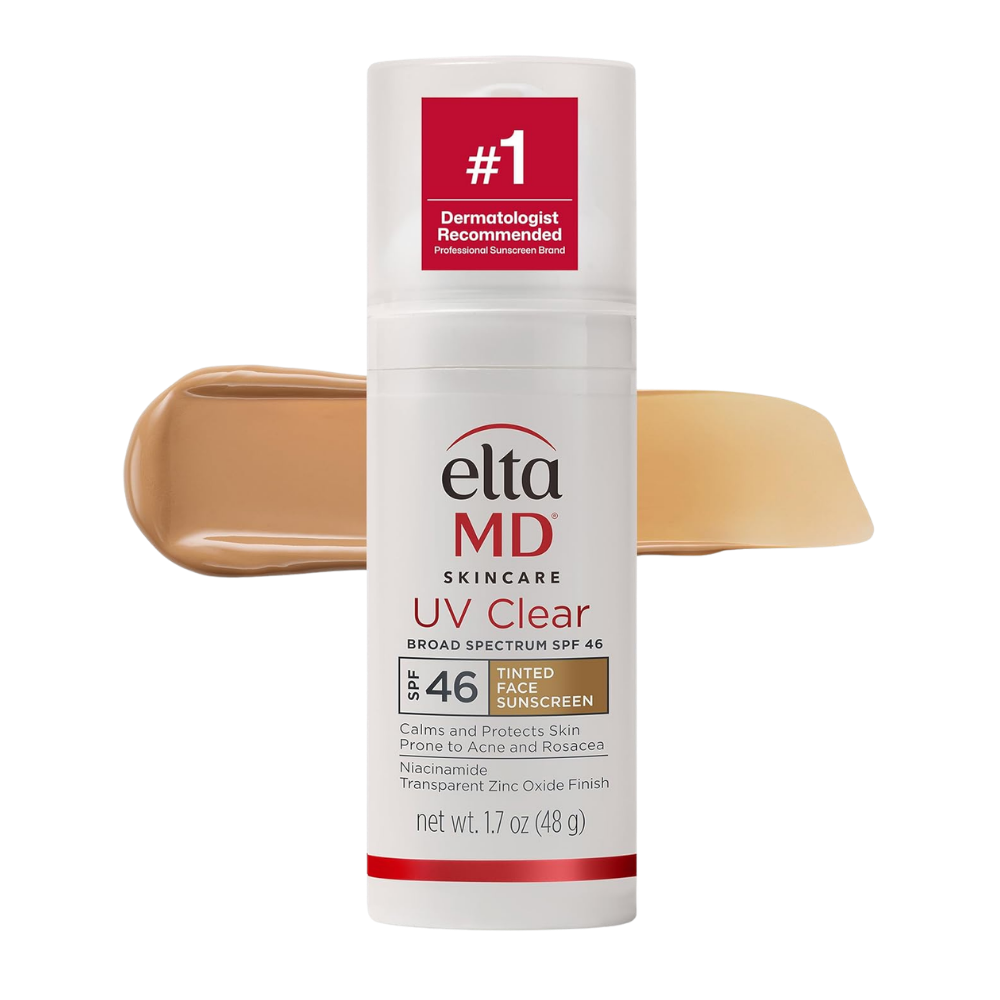
Step 8: Apply Sunscreen Every Morning
Sunscreen is one of the most important steps in any skincare routine.
Without sunscreen:
- Acne marks may darken
- Skin heals more slowly
- Retinol becomes more irritating
- Premature aging increases
Choose SPF 30 or higher.
Look For
- Oil-free formulas
- Non-comedogenic sunscreen
- Broad-spectrum protection
Recommended Product
Benefits
- Designed for acne-prone skin
- Lightweight texture
- Contains niacinamide
- Doesn’t leave a heavy residue
Step 9: Use Retinol at Night
Retinol can help:
- Reduce clogged pores
- Improve acne scars
- Smooth skin texture
- Prevent future breakouts
Start slowly by using it two to three nights per week.
Consistency matters more than strength.
Step 10: Use a Weekly Calming Mask
A soothing mask once or twice per week can help reduce inflammation and support hydration.
Look for ingredients such as:
- Centella asiatica
- Aloe vera
- Oat extract
- Green tea
Avoid masks that sting or leave your skin feeling dry.
Common Mistakes That Make Acne Worse
Over-Exfoliating
Using too many acids can damage the skin barrier.
Layering Too Many Actives
Combining multiple treatments often causes irritation.
Skipping Moisturizer
Hydration is essential for healthy skin.
Picking Pimples
This increases the risk of acne scars and prolonged inflammation.
Constantly Changing Products
Most skincare products need several weeks to show results.
Morning Routine Summary
- Gentle Cleanser
- Hydrating Toner
- Essence
- Niacinamide Serum
- Moisturizer
- Sunscreen
Evening Routine Summary
- Gentle Cleanser
- Hydrating Toner
- Essence
- Treatment Serum
- Retinol
- Moisturizer
Frequently Asked Questions
Is a 10-step skincare routine necessary?
No. Many people get excellent results with fewer steps. The goal is to choose products that support your skin rather than overwhelm it.
What is the best ingredient for acne-prone skin?
There is no single best ingredient, but niacinamide, salicylic acid, adapalene, and retinol are among the most effective.
Can oily skin use moisturizer?
Yes. In fact, oily skin often benefits from lightweight moisturizers.
How long does it take to see results?
Most people notice improvements within 6 to 12 weeks of consistent skincare.
Final Verdict
The best skincare routine for acne-prone skin isn’t the most expensive or complicated one. It’s the routine you can follow consistently without irritating your skin.
By focusing on gentle cleansing, hydration, barrier support, targeted treatments, and daily sunscreen, you can create a routine that helps reduce breakouts while keeping your skin healthy and balanced.